

Staging Area: Definition, Meaning, and Importance Explained
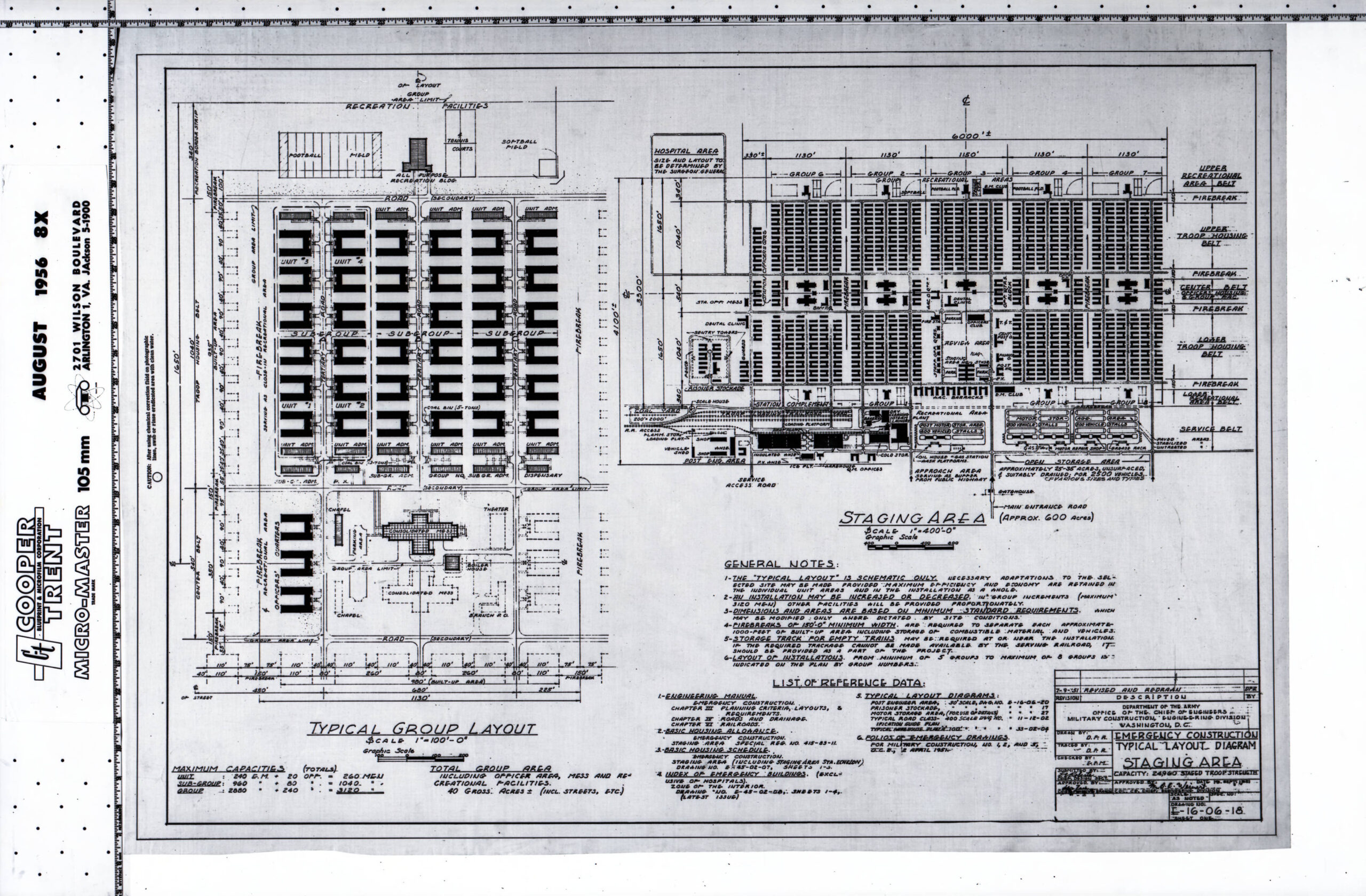
The strategic concept of a staging area plays a critical role in military operations. It serves as a temporary location where troops, equipment, and supplies are gathered before deployment to their operational environment. Understanding the definition and significance of a staging area is essential for grasping how military forces prepare for successful missions.
A staging area operates under the principles of organization and efficiency, allowing military personnel to streamline processes before they are sent into active duty. This concept not only enhances mission readiness but also ensures that all resources are properly accounted for and accessible when needed. In this article, we will explore the importance of staging areas in military operations, their key functions, components, and the challenges involved in establishing a robust staged area.
Index Content
- Definition of Staging Area
- Importance of Staging Areas in Military Operations
- Key Functions of a Staging Area
- Components of an Effective Staging Area
- How Staging Areas Enhance Mission Readiness
- Challenges Faced in Establishing Staging Areas
- Conclusion: The Strategic Role of Staging Areas in Military Success
Definition of Staging Area
A staging area can be defined as a designated location where military forces gather and prepare for deployment. This area is essential for logistical coordination, allowing units to assemble before transitioning to the operational battleground. It typically includes support elements such as supply depots, communication centers, and maintenance facilities.
The stage area is not confined to one specific location; it can be set up in various environments, whether in a forward operating base, a secure area within a conflict zone, or even within friendly territory. The flexibility of a staging area helps military planners maximize overall mission effectiveness, ensuring that troops are ready to engage at a moment's notice.
Importance of Staging Areas in Military Operations
The significance of staging areas in military operations cannot be overstated. These locations provide a controlled environment where various units can synchronize efforts, a crucial factor in modern warfare. By utilizing a strategic staged area, military leaders can better manage equipment and personnel deployment, significantly reducing response times during missions.
Moreover, a well-organized staging area helps to minimize confusion and chaos, allowing for smooth transitions from peace to war footing. This is essential for maintaining operational tempo, ensuring that soldiers are not only equipped but mentally prepared for the challenges ahead.
Key Functions of a Staging Area
The staging area serves several key functions that contribute to operational readiness. Here are a few primary roles it plays:
- Assembly Point: It acts as a central point for units to gather before moving towards their mission objectives.
- Resource Allocation: Supplies, equipment, and manpower can be effectively organized and allocated within the staged area.
- Training and Briefings: Troops can receive last-minute training, briefings, and updates critical to mission success.
- Maintenance and Repairs: Equipment can be inspected and repaired, ensuring all assets are operational before deployment.
- Communication Setup: Establishing communication lines is vital; the staging area provides the infrastructure for this.
Components of an Effective Staging Area
For a staging area to function effectively, several key components must be present:
- Location: The chosen site should provide strategic advantages while being secure from enemy observation or attack.
- Logistics Management: A plan for the movement of troops and supplies is essential to ensure efficiency.
- Infrastructure: Adequate facilities must be in place, including inspection, maintenance, and medical support areas.
- Security: Ensuring the staged area is monitored and secured helps prevent infiltration by adversaries.
- Communication Systems: Robust communication capabilities allow for effective coordination between different units and command structures.
How Staging Areas Enhance Mission Readiness
An organized staging area is instrumental in enhancing mission readiness. By centralizing resources and personnel, it allows for more effective rehearsals and coordination of complex operations. Units can practice movements and tactics specific to the mission, fostering a sense of familiarity and confidence among troops.
Additionally, having a dedicated staged area allows commanders to assess and adapt to changing operational conditions. This level of adaptability is crucial in rapidly-evolving battle scenarios, where quick decisions can mean the difference between success and failure.
Challenges Faced in Establishing Staging Areas
- Environmental Factors: Geographic and climatic conditions can complicate the setup and sustainability of staging areas.
- Security Threats: If the area is too close to enemy lines, there is a risk of detection and attack, necessitating additional security measures.
- Resource Limitations: Availability of supplies and equipment may affect the functionality of the staged area.
- Coordination Issues: Ensuring that multiple units integrate seamlessly can be a logistical nightmare without proper planning.
Conclusion: The Strategic Role of Staging Areas in Military Success
staging areas are a pivotal element in military operations, serving as the backbone for preparedness and efficiency. Their significance lies in the ability to streamline troop movements, provide essential resources, and enhance overall mission readiness. The careful establishment and management of these vital locations can greatly influence the outcome of military engagements.
The strategic role of a staging area cannot be underestimated, as it embodies the principles of organization, efficiency, and adaptability. A well-planned and executed staged area lays the foundation for successful military operations and contributes to mission success across various theatres of conflict.
Did you find this article helpful? Staging Area: Definition, Meaning, and Importance Explained See more here Education.

Rally Legal: Understanding Its Definition and Meaning

Foldings: Understanding the Definition and Meaning of Folded

What was trench warfare like on the Western Front in 1914

Blue Light Energy: Definition, Optics, and Intriguing Facts

Household Cash Tips: Mastering Your Finances at Home

What is chromatography's role in separation and resolution
Leave a Reply
Related posts