

What are the types, goals, and functions of collective bargaining
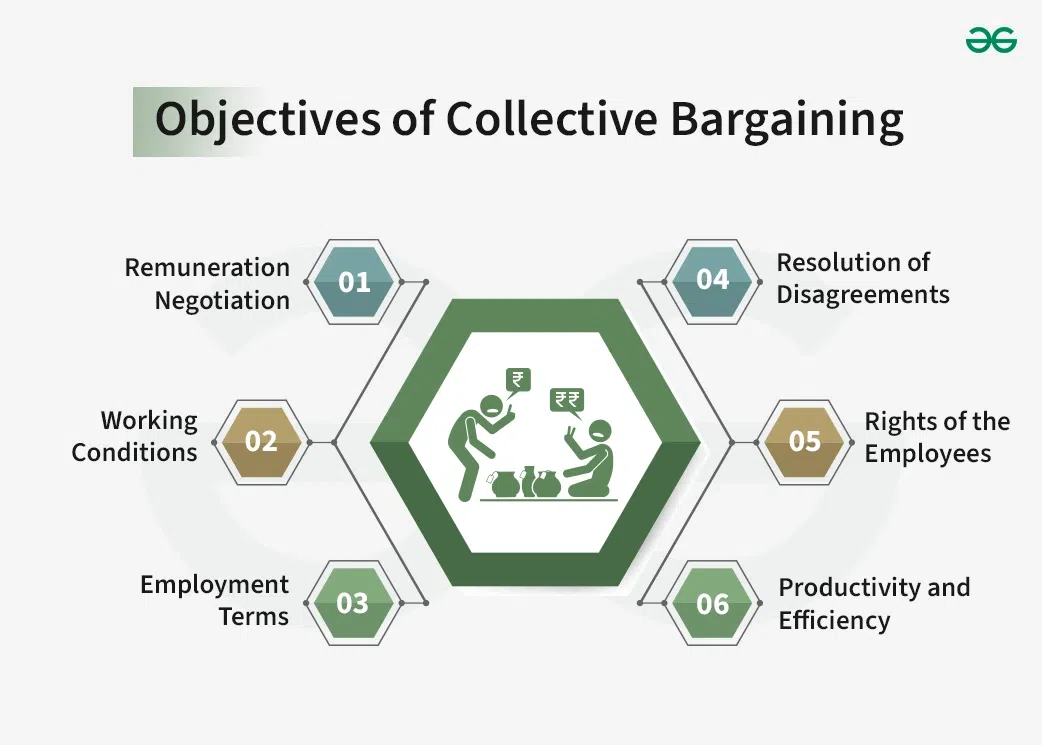
Collective bargaining is a crucial process in the labor relations landscape, representing the negotiations that occur between employee representatives, often from labor unions, and employers. This negotiation is invaluable for establishing key employment terms, which include wages, working conditions, benefits, and other essential provisions. The practice of collective bargaining labor unions helps to ensure that workers' voices are heard in the workplace, allowing them to have a direct impact on their employment conditions. Through collective bargaining, both parties engage in discussions and compromise to reach mutually beneficial agreements.
The significance of collective bargaining can be observed within various sectors, where negotiations might be undertaken at multiple levels, including national, regional, or local frameworks. Historical roots of this procedure trace back to the late 18th century in Britain, gaining momentum in the United States through the efforts of influential labor leaders like Samuel Gompers. The outcomes of these negotiations can dramatically influence the quality of work life for employees and foster an environment of cooperation or conflict between employers and workers, depending on how well the discussions align with the aims of both parties.
Index Content
Overview of Collective Bargaining
Collective bargaining is inherently tied to the existence of labor unions, which advocate for the rights and interests of workers. This process not only pertains to negotiating wages but encompasses broader employment conditions, reflecting the spectrum of needs workers have. In essence, collective bargaining can serve as a platform for disputes to be resolved amicably, ensuring a stable work environment conducive to productivity and morale.
History and Evolution of Collective Bargaining
The history of collective bargaining is rich and spans across various eras, reflecting the changing dynamics between employers and employees. The practice began to take shape significantly during the rise of the industrial age when workers began to organize into labor unions to address the exploitation and unfair treatment they faced in factories. Early examples of collective bargaining can be traced back to the late 19th century, where unions began to form alliances to improve working conditions and negotiate better pay. As time progressed, the concept evolved, with organizations such as the American Federation of Labor (AFL) spearheading the push for formal collective bargaining agreements.
In the modern context, collective bargaining has refined itself, incorporating legal frameworks that protect workers' rights and outline the responsibilities of both parties involved. This evolution reflects changes in industrial relations and the recognition of labor unions as crucial stakeholders in the workforce. Today, collective bargaining represents a critical aspect of labor relations across many industries, solidifying the foundation for systematic negotiation between employees and employers.
Types of Collective Bargaining
Collective bargaining can manifest in several distinct forms, each tailored to the specific needs of the workforce and the objectives of the negotiations. Understanding these types is essential to comprehend how labor unions operate and advocate for workers effectively.
Distributive Bargaining
Distributive bargaining is often referred to as “zero-sum” bargaining, where the interests of both parties are diametrically opposed. Here, the focus is primarily on dividing a fixed pool of resources, such as wages or benefits. In this type of negotiation, one party's gain is inevitably the other party's loss, which often leads to confrontational tactics and stronger resistance. This approach is prevalent in negotiations focused on salary increases or specific benefits.
Integrative Bargaining
In contrast, integrative bargaining emphasizes collaboration, where both parties work together to achieve outcomes that benefit everyone involved. This form of bargaining is designed to create win-win situations, addressing broader issues such as employee morale, workplace safety, and job satisfaction. Efforts in this realm focus on addressing the underlying interests of both parties, facilitating effective communication to foster positive relationships.
Concessionary Bargaining
Concessionary bargaining occurs when labor unions negotiate terms that may involve trade-offs, often in response to economic pressures or challenges faced by the employer. In such cases, unions might agree to lower wage increases or accept changes in work conditions to avoid layoffs or maintain employment levels. This form of bargaining highlights the evolving nature of negotiations, where compromise becomes necessary to ensure job security.
Goals of Collective Bargaining
The overarching goals of collective bargaining are centered around improving the workplace and safeguarding employee interests. Several key objectives stem from this negotiation process, each crucial for fostering a healthy and productive work environment.
Improving Working Conditions
One of the primary goals of collective bargaining is to improve working conditions for employees. Labor unions, through negotiations with employers, aim to establish safe and healthy working environments that promote employee wellbeing. This includes addressing concerns about workplace safety, ensuring adequate resources, and implementing standardized practices that prioritize employee health.
Establishing Fair Wages
The establishment of fair wages stands as a pivotal objective of collective bargaining labor unions. Unions strive to negotiate competitive salaries that reflect the skills and contributions of their members. Fair compensation is crucial not only for the livelihood of workers but also for maintaining morale and engagement within the workforce. Through collective bargaining, labor unions advocate for wages that meet the needs of their members while considering the economic capabilities of the employer.
Ensuring Job Security
Job security is another essential facet of collective bargaining. Unions often negotiate terms that secure employment stability for their members, providing protections against arbitrary dismissals and layoffs. By ensuring that job security is part of the negotiation agenda, labor unions aim to create an environment where employees can focus on their work without the looming threat of job loss.
Functions of Collective Bargaining
Collective bargaining serves several functions that extend beyond the immediate negotiation of terms. Its multifaceted nature plays a significant role in shaping labor relations and enhancing worker rights.
Conflict Resolution
One of the most vital functions of collective bargaining is conflict resolution. The negotiation process provides a structured framework for addressing disputes between employees and employers. By facilitating dialogue and fostering mutual understanding, collective bargaining can help to resolve conflicts before they escalate into more serious confrontations, thereby preserving workplace harmony.
Setting Employment Standards
Through collective bargaining, labor unions play a crucial role in setting minimum employment standards, such as work hours, leave policies, and health benefits. These established standards create a baseline for worker rights within an industry, ensuring that all employees enjoy suitable and equitable conditions of employment. Such standards contribute to overall industry norms, promoting fairness across workplaces.
Enhancing Worker Representation
Collective bargaining enhances worker representation by providing employees with a collective voice in negotiations. Rather than individual negotiation, unions advocate for the collective interests of their members, ensuring that the workers' perspectives are effectively represented. This strengthened representation helps create a sense of solidarity among workers, empowering them to address common challenges collaboratively.
Variations in Collective Bargaining Practices
The practice of collective bargaining is not monolithic; it varies significantly by country, industry, and legal framework. Different regions may employ varying legislative measures that influence the scope and outcomes of negotiations. In some countries, collective agreements are legally binding, while in others, they serve more as guidelines. The type of industry also plays a critical role in shaping the bargaining process, with sectors like healthcare, education, and manufacturing exhibiting distinct negotiation cultures.
The Role of Government in Collective Bargaining
Government involvement in collective bargaining is another key aspect that influences labor relations. In many countries, governments enact laws to protect the rights of labor unions and establish frameworks for collective bargaining processes. These legal structures can dictate how negotiations occur, set guidelines for fair practices, and define the obligations of both parties. Governments may also intervene in instances of disputes or conflicts, providing mediation to ensure that fair bargaining processes are upheld.
Conclusion
In conclusion, collective bargaining stands as a powerful tool for labor unions and employees, providing a structured means to engage with employers over critical issues affecting the workforce. The various types, goals, and functions of collective bargaining illustrate its essential role in shaping modern workforce dynamics. As labor conditions continue to evolve, the principles of labor union collective bargaining remain foundational to advocating for workers' rights and ensuring that they have a voice in their employment conditions. The ongoing negotiation processes exemplify the importance of collaboration and compromise in achieving fair labor practices, contributing to more equitable and supportive work environments across different sectors.
Did you find this article helpful? What are the types, goals, and functions of collective bargaining See more here Education.

Rally Legal: Understanding Its Definition and Meaning

Foldings: Understanding the Definition and Meaning of Folded

What was trench warfare like on the Western Front in 1914

Blue Light Energy: Definition, Optics, and Intriguing Facts

Household Cash Tips: Mastering Your Finances at Home

What is chromatography's role in separation and resolution
Leave a Reply
Related posts