

Gasoline: Definition, Uses, & Fascinating Facts About Petrol
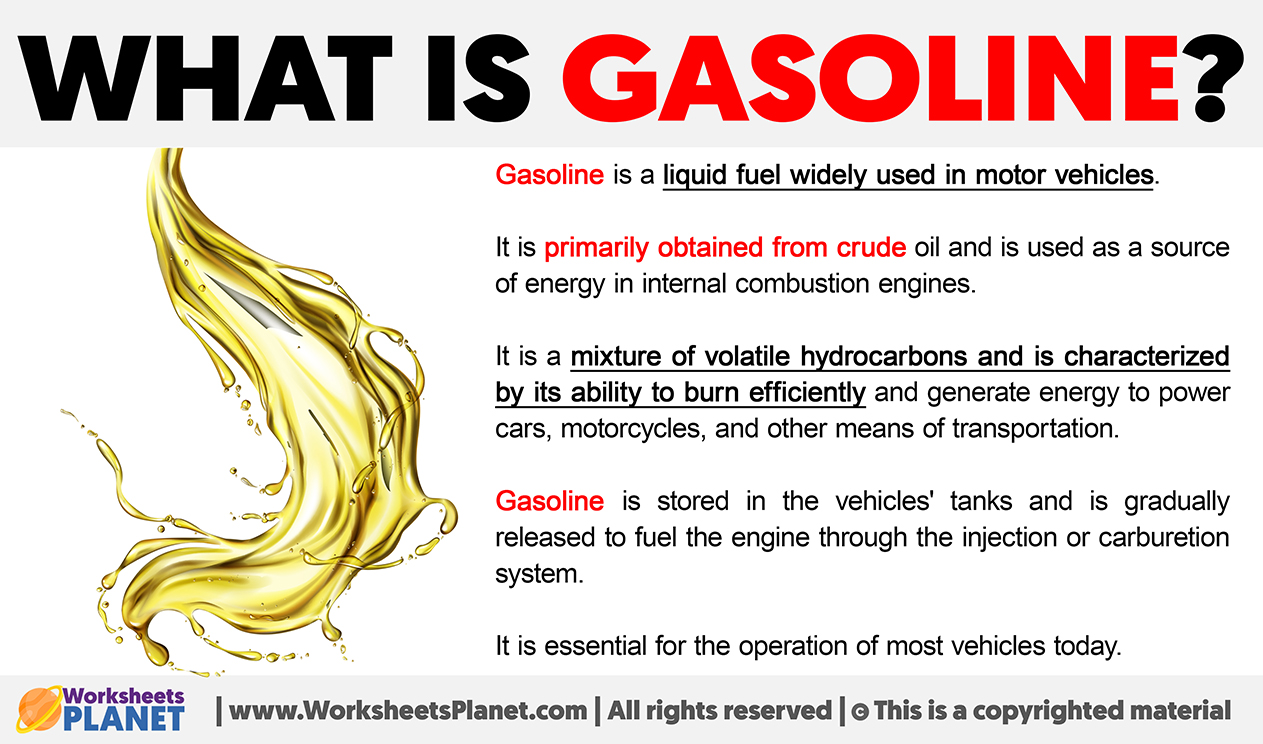
Gasoline, also known as petrol in many parts of the world, is a vital energy source that powers a significant portion of modern transportation. Understanding gasoline's role in our daily lives is crucial, as it fuels everything from cars and trucks to small machinery. This article will explore the various aspects of gasoline, including its definition, historical background, production methods, composition, uses, environmental impacts, and even some fascinating facts about this essential gasoline product.
The significance of gasoline as a fuel is underscored by its long-standing influence on transportation and industry. As the world moves towards alternative energy sources, gasoline remains a critical component in the energy market. This article seeks to provide readers with comprehensive knowledge on gasoline, its properties, uses, and the innovations surrounding it, offering insight into the enduring importance of this petrol.
Index Content
- Definition of Gasoline
- Historical Background of Gasoline
- Production Methods of Gasoline
- Composition and Properties of Gasoline
- Uses of Gasoline
- The Role of Octane Rating
- Additives in Gasoline
- Evolution of Alternative Fuels: Gasohol
- Environmental Impact of Gasoline
- Fascinating Facts About Gasoline
- Conclusion
Definition of Gasoline
Gasoline is a clear, volatile liquid derived from crude oil, primarily used as a fuel for internal combustion engines. It is produced through the refining of petroleum and consists of a complex mixture of hydrocarbons, typically ranging from C4 to C12 in molecular structure. The primary function of gasoline is to power vehicles, making it a critical resource for transportation and industry worldwide.
Historical Background of Gasoline
The history of gasoline can be traced back to the late 19th century when it was first separated from kerosene during the refining process. Initially regarded as a waste product, gasoline gained prominence after the invention of the internal combustion engine. Notable advancements, like Henry Ford's affordable Model T in 1908, sparked increased demand for gasoline as a fuel source, facilitating the rapid commercialization of automobiles.
Production Methods of Gasoline
Gasoline production has evolved significantly over the years, transitioning from simple distillation processes to advanced refining techniques. The primary methods of producing gasoline today include:
- Distillation: The initial process where crude oil is heated to separate various components based on their boiling points.
- Cracking: A process that breaks down larger hydrocarbon molecules into smaller, more useful fuels.
- Polymerization: A method that combines smaller molecules to create larger hydrocarbons suitable for gasoline.
- Alkylation: A chemical process that combines light hydrocarbons to produce high-octane components for gasoline.
Composition and Properties of Gasoline
The composition of gasoline varies significantly, but it primarily consists of various hydrocarbons, including alkanes, cycloalkanes, and aromatic hydrocarbons. Gasoline typically has a boiling range between 30° and 200° C, allowing it to evaporate quickly and mix well with air, which is essential for efficient combustion in engines. The physical properties of gasoline include low viscosity, high energy content, and volatility, all of which contribute to its effectiveness as a fuel.
Uses of Gasoline
Gasoline serves multiple purposes, primarily as a fuel for internal combustion engines in automobiles, motorcycles, and small engines used in lawnmowers and generators. Other uses include:
- Solvent: Gasoline is sometimes used as a solvent for cleaning and degreasing metal parts.
- Fuel Additive: Certain gasoline products include additives that enhance performance and reduce engine wear.
- Research and Development: Gasoline is utilized in laboratories for various experiments related to combustion and energy.
The Role of Octane Rating
The octane rating is an essential measure of a gasoline's ability to resist engine knocking during combustion. A higher octane rating indicates better resistance to knocking, which allows for more efficient and powerful engine performance. Premium gasoline, for instance, typically has a higher octane rating than regular gasoline, making it suitable for high-performance engines.
Additives in Gasoline
To enhance performance, reduce emissions, and prevent engine knocking, various additives are included in gasoline formulations. Common additives include:
- Detergents: Help keep engine components clean and functioning efficiently.
- Antiknock agents: Improve octane ratings and reduce knocking in engines.
- Corrosion inhibitors: Protect engine components from rust and corrosion.
- Oxidation stabilizers: Prevent gasoline from degrading during storage.
Evolution of Alternative Fuels: Gasohol
In response to rising fuel prices and environmental concerns, there has been a push towards alternative fuel blends like gasohol, which comprises 90% gasoline and 10% ethanol. This blend not only aims to reduce dependence on petroleum but also leverages the renewable potential of ethanol, derived from plant materials. Gasohol contributes to cleaner combustion and reduced greenhouse gas emissions, making it an attractive option as part of a diversified fuel strategy.
Environmental Impact of Gasoline
The environmental implications of gasoline use are significant. Combustion of gasoline emits various greenhouse gases, contributing to air pollution and climate change. The production and refinement of gasoline also have ecological footprints, impacting air and water quality. Governments and environmental organizations worldwide are increasingly advocating for stricter regulations on emissions and encouraging the development of cleaner alternatives to gasoline.
Fascinating Facts About Gasoline
Gasoline is not only a crucial energy source but also has a range of fascinating attributes that many may not know. Here are some intriguing facts about gasoline:
- Gasoline can ignite at temperatures as low as -40°F (-40°C).
- The energy content of gasoline is approximately 31,536,000 joules per liter, making it a potent energy source.
- Gasoline has a relatively low flash point, meaning it can ignite easily when mixed with air.
- Different countries have unique formulations of gasoline tailored to their climatic conditions and regulatory standards.
Conclusion
As we have explored throughout this article, gasoline, or petrol, is a pivotal component of modern energy systems, with a rich history and a complex production process. Its versatile uses, along with the ongoing innovations regarding additives and alternatives like gasohol, continue to shape its role in the global energy landscape. Understanding gasoline's properties, its environmental impacts, and fascinating facts about this essential gasoline product not only helps us appreciate its significance but also guides us toward a more sustainable future.
Did you find this article helpful? Gasoline: Definition, Uses, & Fascinating Facts About Petrol See more here Education.

What are Cartier's key routes, voyages, and accomplishments

Painting the Legacy of Vincent van Gogh: An Artistic Journey

Rally Legal: Understanding Its Definition and Meaning

Foldings: Understanding the Definition and Meaning of Folded

What was trench warfare like on the Western Front in 1914

Blue Light Energy: Definition, Optics, and Intriguing Facts
Leave a Reply
Related posts