

What are black widow spider egg sacs and their anatomy
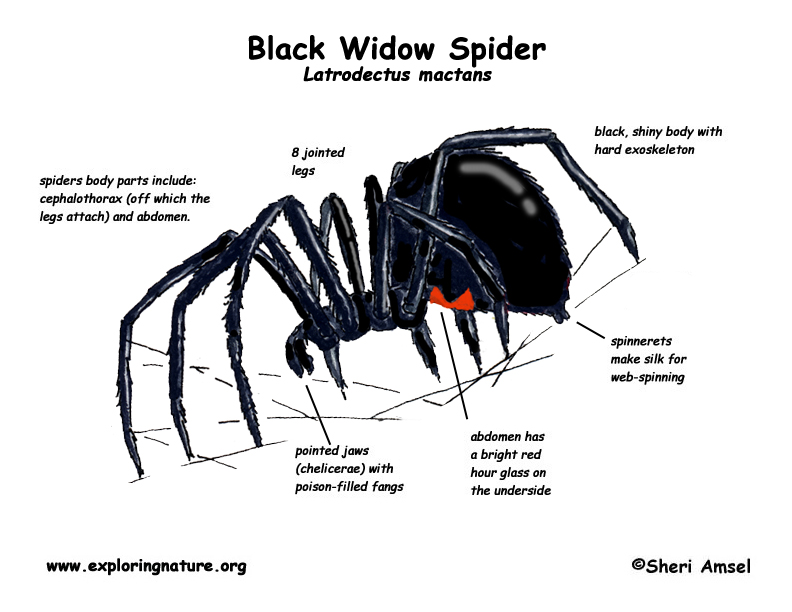
The black widow spider egg sac is a fascinating and crucial aspect of the reproductive cycle of one of the most infamous spider species. Understanding the dynamics, structure, and life cycle associated with these egg sacs not only enhances our knowledge of black widow spiders but also contributes to broader ecological awareness. These egg sacs serve as a protective haven for the developing spiderlings, safeguarding them from the dangers of the outside world as they transition from eggs to independent creatures.
Black widows are notorious for their potent venom and unique behaviors, which makes studying their reproductive methods all the more engaging. The black widow egg sac itself is an intriguing structure that plays a fundamental role in the survival of young spiders. In this article, we will explore the anatomy, creation, protection, and the lifecycle of species that rely on these silk-encased eggs for survival, providing comprehensive insights into their biology.
Index Content
What is a Black Widow Spider Egg Sac?
A black widow spider egg sac is a silk-woven structure created by the female spider to store and protect her eggs until they hatch. These egg sacs are ellipsoidal in shape and can vary in size, typically measuring around 1 to 2 inches in length. They are fashioned from a strong silk material that the female produces for this specific purpose, ensuring that her offspring are shielded from environmental hazards and potential predation. The egg sac functions as a nursery, with the female often nearby to provide added protection against threats.
Inside each black widow spider egg sac, the eggs are typically encapsulated in a gelatinous substance, resembling small droplets that are clustered together. A single egg sac commonly contains anywhere from 100 to 400 eggs, depending on the age and health of the female parent. After fertilization and egg-laying, the egg sac becomes a vital component of the spiderling's development, nurturing them until they are ready to emerge as baby spiders.
The Anatomy of Black Widow Spider Egg Sacs
Examining the anatomy of a black widow spider egg sac reveals several fascinating features. The exterior of the egg sac is composed of multiple layers of tightly woven silk strands, providing both strength and flexibility. This multi-layered structure not only protects the eggs from potential damage but also serves as a barrier against moisture loss and temperature fluctuations.
Within the egg sac, the eggs are surrounded by a transparent membrane that facilitates gas exchange, allowing for the necessary oxygen supply while still providing a protective barrier. The eggs themselves are small, round, and typically pale in color, arranged in clusters within the sac. As time progresses, embryo development can be observed, with the color and clarity of the eggs changing as the hatch date approaches.
How Are Egg Sacs Created?
The process of creating a black widow spider egg sac begins with the female's mating ritual, which culminates in the fertilization of her eggs. After mating, the female will search for a suitable location to construct her egg sac. This location is often sheltered from predators and environmental threats, such as beneath rocks, within crevices, or inside abandoned or rarely disturbed structures.
Once a location is established, the female spider will begin to produce silk using specialized glands located in her abdomen. She meticulously weaves the silk into a rounded structure, gradually adding layers to reinforce the sac's integrity. Following the completion of the sac, she carefully lays her eggs inside it, ensuring that they are adequately spaced and arranged before sealing the sac to protect the vulnerable eggs from external dangers.
Location and Protection of Egg Sacs
Location plays a critical role in the safety of a black widow spider egg sac. The female spider will often choose hidden or secluded areas to deposit her egg sac, utilizing natural camouflage to reduce the risk of predation. Once the eggs are laid, the female may remain close to the sac to guard it and deter potential threats.
During this guarding phase, the black widow spider exhibits protective behaviors, displaying aggression towards intruders, including other spiders, insects, or even small mammals that venture too close. This vigilance significantly increases the chances of survival for the developing spiderlings until they are ready to hatch and venture out on their own.
The Lifespan of Black Widow Egg Sacs
The lifespan of a black widow egg sac varies based on environmental conditions and the availability of food for the developing spiderlings. Typically, it takes around 2 to 3 weeks for the eggs to mature and hatch, but this duration can be influenced by factors such as temperature and humidity. In warm and humid environments, rapid development may occur, while cooler or drier conditions might slow the process down.
Once the eggs have hatched, the newly emerged spiderlings will remain within the confines of the egg sac for a short period until they are ready to disperse. After a few days, the young spiders will instinctively leave the egg sac and begin to explore their surroundings in search of food and shelter.
Hatching and Development of Spiderlings
When the time is right, the spiderlings will begin to hatch from the black widow spider egg sac. The hatching process is an intriguing event, with the young spiders emerging collectively from the sac. Each tiny spiderling, equipped with its own instinctual survival skills, instinctively knows to leave the egg sac and venture into the world.
Upon hatching, the spiderlings are incredibly small, often measuring only a few millimeters in length. They are pale in color and lack the distinctive markings of adult black widow spiders. During their early days, the spiderlings primarily feed on small insects and other organic matter, opting for microscopic prey that can sustain their rapid growth.
The Role of Molting in Spider Growth
As the spiderlings grow, they will undergo a series of molts, shedding their exoskeletons in a process known as ecdysis. Molting is essential for the growth of spiders; as they outgrow their existing exoskeleton, they must shed it to allow for proper growth of their bodies. Young black widow spiders typically molt several times in their first few months of life, gradually increasing in size until they reach maturity.
To facilitate this process, spiderlings secrete enzymes that help to dissolve the inner lining of their old exoskeletons, allowing them to escape. This molting process is a vulnerable stage where spiders can easily fall prey to predators or suffer fatal injuries, emphasizing the importance of safe hiding places during this period.
Vulnerabilities During the Hatching Process
While a black widow spider egg sac provides significant protection, vulnerabilities still exist during the hatching process. Predators, such as birds, wasps, or even other spiders, may be drawn to the site of the egg sac, posing a threat to the freshly hatched spiderlings. Additionally, environmental factors such as heavy rain, flooding, or extreme temperature changes could impact the survival of the young spiders once they leave the safety of the egg sac.
To mitigate these risks, some black widow species will delay hatching or result in fewer eggs being laid if environmental conditions are unfavorable, ensuring better chances for survival in more optimal times. The instinctual behavior of young spiders also plays a role; they will utilize their surroundings, find hiding spots, and adopt camouflage tactics to evade potential threats.
Conclusion
The study of the black widow spider egg sac and its anatomy offers essential insights into the reproductive strategies of these fascinating creatures. From the intricate construction of the egg sac to the survival tactics employed by the young spiderlings, every aspect plays a critical role in ensuring the continuation of the species. Understanding these elements not only helps appreciate the biological intricacies of black widow spiders but also underscores their place within the ecosystem.
In conclusion, the black widow egg sac serves as more than just a womb for spiderlings; it is a symbol of resilience and survival against the odds found in nature. By recognizing the evolutionary adaptations of these spiders, we can foster an appreciation for the myriad complexities that shape the natural world around us.
Did you find this article helpful? What are black widow spider egg sacs and their anatomy See more here Education.

Rally Legal: Understanding Its Definition and Meaning

Foldings: Understanding the Definition and Meaning of Folded

What was trench warfare like on the Western Front in 1914

Blue Light Energy: Definition, Optics, and Intriguing Facts

Household Cash Tips: Mastering Your Finances at Home

What is chromatography's role in separation and resolution
Leave a Reply
Related posts