
Buying Process: Definition, Tactics, Purpose, and Key Facts
The buying process is a fundamental journey that consumers undertake to fulfill their needs through the acquisition of products or services. This journey begins when an individual recognizes a need, which triggers a series of stages involving information gathering, evaluating options, and ultimately making a purchase. Understanding this process is crucial for businesses, as it not only defines how consumers make decisions but also highlights opportunities for brands to influence these decisions positively.
In today's competitive landscape, having a deep understanding of the buying process allows marketers and businesses to tailor their strategies effectively. The nuances of consumer behavior, the factors that motivate purchases, and the tactics employed at each stage contribute significantly to driving sales and ensuring customer satisfaction. Ultimately, the buying process delineates how relationships are built between consumers and brands, establishing the framework for loyalty and repeated business.
Index Content
- Understanding the Consumer Buying Process
- Importance of Information Gathering
- Evaluating Alternatives: Key Considerations
- The Role of Customer Experience
- Building Relationships with Brands
- Distinctions Between Consumer and Business Buying
- The Influence of Economic Factors
- Organizational Dynamics in Purchasing Decisions
- Conclusion: Enhancing the Buying Process
Understanding the Consumer Buying Process
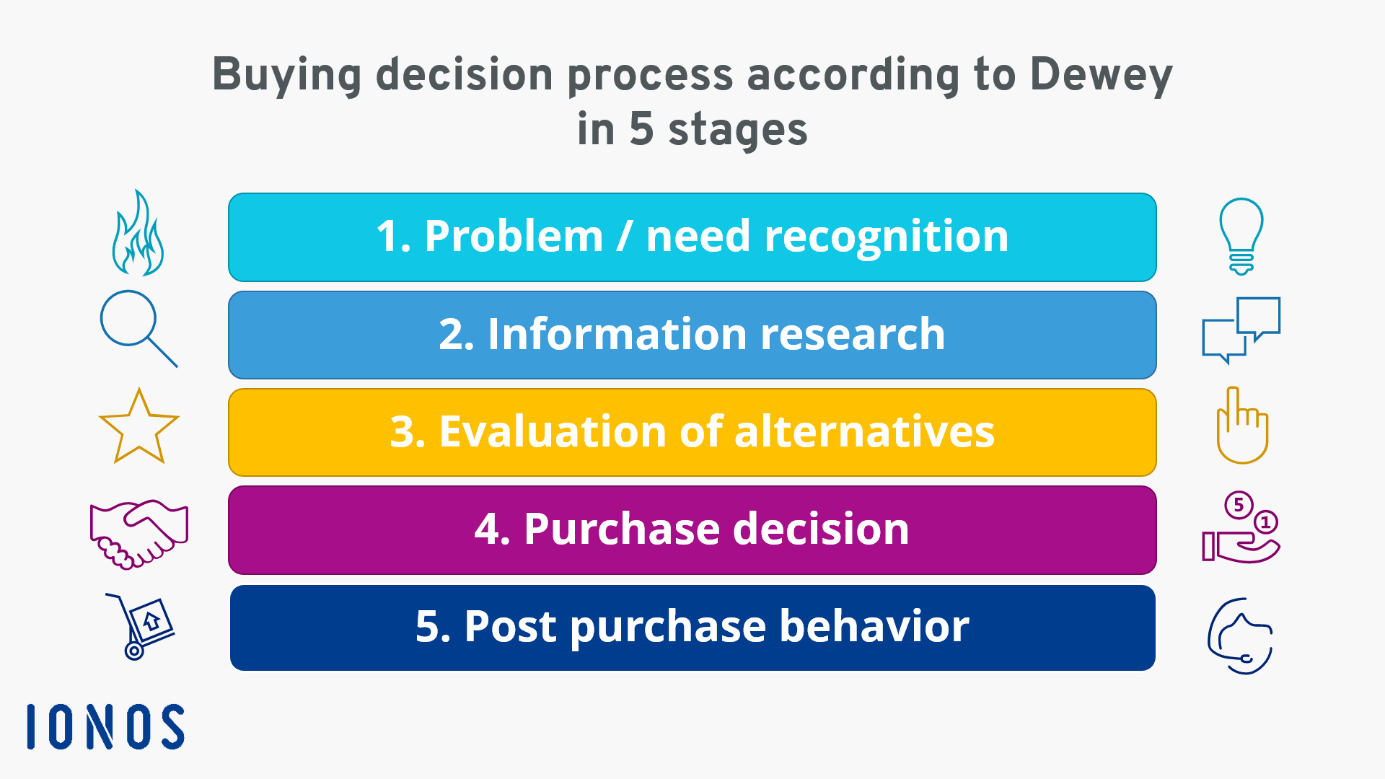
The buying process can be understood as a sequence of steps that consumers navigate when making purchasing decisions. This process starts with need recognition, followed by information search, evaluation of alternatives, decision-making, and post-purchase behavior. Each stage plays a critical role in shaping the overall consumer experience and influencing future buying decisions.
Stages of the Buying Process
The stages of the buying process are essential for understanding consumer behavior. Here are the five primary stages:
- Need Recognition: The process begins when consumers identify a gap between their current state and a desired state, leading them to seek solutions.
- Information Search: Once a need is recognized, consumers actively search for information through various channels, including friends, family, online reviews, and advertising.
- Evaluation of Alternatives: Consumers compare different options based on attributes such as price, quality, and brand reputation, determining which alternatives align best with their needs.
- Purchase Decision: After evaluating alternatives, consumers make a decision to purchase. The factors influencing this decision can include marketing promotions, peer influence, and perceived value.
- Post-Purchase Behavior: Following the purchase, consumers reflect on their decision, which can influence future purchasing behaviors and brand loyalty.
Importance of Information Gathering
The significance of the information-gathering stage within the buying process cannot be overstated. In an age where access to information is unparalleled, consumers often engage in extensive research before committing to a purchase. This research may involve seeking out product specifications, pricing comparisons, and consumer reviews to make informed decisions.
Marketers must ensure that information is readily available and easily accessible. Utilizing digital marketing strategies such as search engine optimization (SEO) and content marketing can enhance visibility and cater to consumers’ desire for information. When potential buyers find the information they seek readily accessible, they are more likely to feel confident in their decisions, contributing to increased sales.
Evaluating Alternatives: Key Considerations
During the buying process, the evaluation of alternatives is a crucial step where consumers weigh their options. Key considerations that typically influence this evaluation include:
- Price: Affordability often plays a significant role in the decision-making process.
- Quality: Consumers look for products that deliver quality and value for money.
- Brand reputation: A well-established brand can significantly sway consumer choice.
- Features and benefits: Consumers assess what additional advantages a product may offer over its competitors.
- Reviews and ratings: Positive or negative feedback from previous customers influences perceptions and preferences.
The Role of Customer Experience
Customer experience is a pivotal factor in the buying process. Brands that prioritize an outstanding customer experience not only facilitate immediate sales but also foster long-term relationships with their customers. Positive interactions at any stage of the buying process can enhance customer satisfaction, driving repeat purchases and referrals.
To build a superior customer experience, businesses should focus on various aspects, such as ease of navigation in online stores, responsiveness of customer service, and the overall buying journey. By creating a seamless and enjoyable experience, companies can create loyal customers who advocate for the brand.
Building Relationships with Brands
Establishing strong relationships between consumers and brands is a vital component of the buying process. Building trust and rapport with customers can lead to loyalty and advocacy over time. Brands that engage with their customers through personalized marketing and effective communication have the potential to cultivate deeper relationships.
Strategies include personalized email marketing campaigns, loyalty programs, and actively seeking feedback from customers. When consumers feel valued and appreciated, they are likely to return for future purchases and recommend the brand to others.
Distinctions Between Consumer and Business Buying
While the general buying process applies to both consumer and business buyers, there are distinct differences in their purchasing behavior. Business buyers operate under a different set of dynamics compared to individual consumers. They often seek products that contribute to their business objectives, which leads to a more structured and rational purchasing process.
Moreover, business purchases tend to be larger in scale and are driven by long-term relationships with suppliers. Business buyers engage in negotiations, requiring a more comprehensive understanding of the market and supplier capabilities.
The Influence of Economic Factors
Economic forces can significantly impact the buying process across both consumer and business sectors. Factors such as economic health, disposable income, and employment rates influence purchasing power and consumer confidence. Companies must remain sensitized to these factors to adapt their strategies accordingly.
For instance, during times of economic downturn, consumers may prioritize essential purchases, while businesses may implement cost-cutting measures, altering their buying strategies. Understanding these dynamics can help companies position their offerings more effectively.
Organizational Dynamics in Purchasing Decisions
In the business buying process, organizational dynamics play a pivotal role. Decisions often involve multiple stakeholders, including approvers, influencers, and users within the company. Understanding these roles can help suppliers engage more effectively with potential clients.
Moreover, organizational culture can dictate buying decisions, leading to variations across industries and regions. Companies aiming to sell to businesses should be aware of the specific organizational dynamics in the entities they target.
Conclusion: Enhancing the Buying Process
Ultimately, understanding and improving the buying process is essential for businesses aiming to thrive in today’s market. By focusing on the various stages of the buying process, gathering and utilizing customer insights, and adapting to changes in consumer and business behavior, companies can create a more effective sales strategy.
As the landscape of consumer behavior evolves, businesses that invest in understanding the buying process will be better equipped to meet customer needs, build enduring relationships, and drive sales. By aligning strategies with consumer expectations and market dynamics, brands can foster loyalty and secure a competitive advantage.
Did you find this article helpful? Buying Process: Definition, Tactics, Purpose, and Key Facts See more here Education.

Types, Causes, and Treatment of Dwarfism Explained

Chinese Opera: A Deep Dive into Tradition and Performance

Sweet Fruit: Description, Effects, and Uses Explained

Red Giant Antares: Exploring Supergiants in Binary Systems

What are the trends in population growth and urbanization in the Philippines

What is the definition and meaning of nuisance in detail
Leave a Reply
Related posts