

Democrates: Exploring Sepúlveda's Impact on Modern Thought
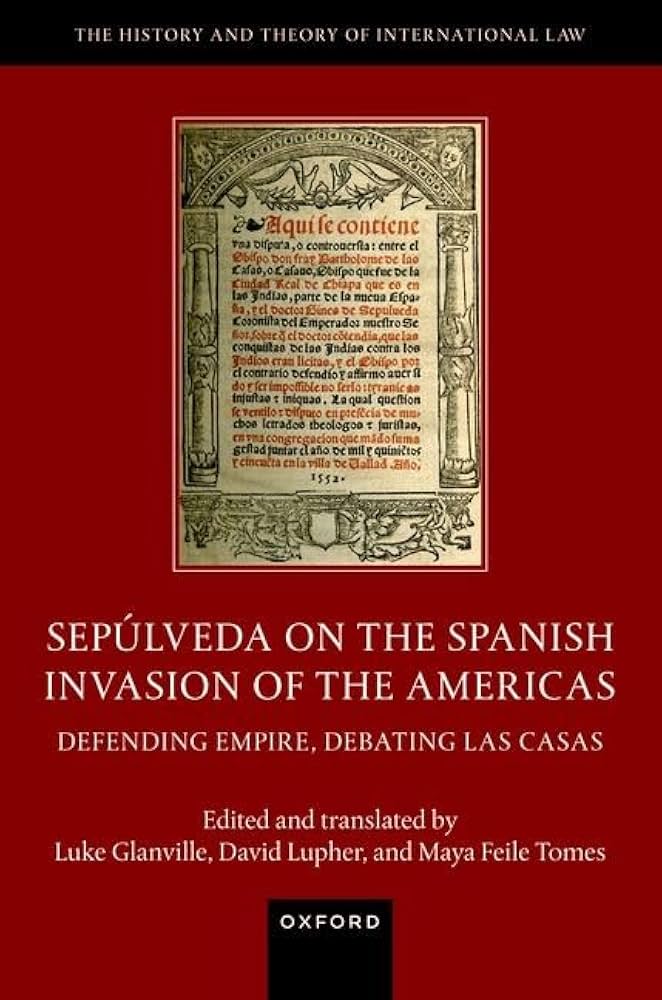
The impact of Sepúlveda's work, particularly "Concerning the Just Cause of the War Against the Indians," is a significant topic in understanding the evolution of modern thought and ethics surrounding colonialism. Sepúlveda, as a prominent figure of the Renaissance, utilized Aristotelian principles to justify his views on Indigenous peoples, which has led to extensive analysis and debate in contemporary discourse. This article explores the intricate relationship between Sepúlveda's arguments and the ongoing discussions surrounding the concept of democrates and human dignity.
Through the lens of historical context, ethical considerations, and the legacy of Sepúlveda's ideas, we will delve into the implications of viewing Indigenous peoples as inferior, akin to children, and how this perspective resonates in modern interpretations of human rights and colonialism. By reevaluating Sepúlveda's impact on current thought, we aim to enlighten the reader on the complexities that arise when examining the narratives of power, ethics, and the struggle for justice.
Index Content
Background on Sepúlveda and His Work
Juan Ginés de Sepúlveda was a Spanish philosopher, humanist, and theologian whose work in the 16th century would go on to shape discussions around the moral justification of colonialism. His most notable text, "Concerning the Just Cause of the War Against the Indians", served as a defense of the Spanish conquests in the Americas. This work characterized Indigenous peoples through the Aristotelian framework, suggesting their incapacity for self-governance and declaring them as inherently inferior to Europeans.
Sepúlveda's reliance on Aristotle was fundamental to his arguments; he interpreted Aristotle's notions of natural slaves and hierarchy, applying them to justify the enslavement and domination of Indigenous populations. His philosophy presented a clear dichotomy between the "civilized" and the "barbaric," effectively framing the Spanish conquests as a morally justified enterprise of uplifting Indigenous peoples through European governance.
The Historical Context of "Concerning the Just Cause of the War Against the Indians"
To fully grasp the significance of Sepúlveda's arguments, it is essential to contextualize them within the turbulent historical landscape of the 16th century. The arrival of Columbus in 1492 and the subsequent establishment of Spanish colonies in the Americas ignited debates about the morality of European expansion and conquest. Sepúlveda's work emerged during a time when colonialism and imperialism were rationalized through various philosophical and religious discourses.
In this context, Sepúlveda's text emerged as a reaction to the criticisms of Spanish conquests, notably from voices like Bartolomé de las Casas, who defended the dignity and rights of Indigenous peoples. Sepúlveda aimed to counter these humanistic arguments, laying out a structured justification for war against those he considered lesser beings. The broader implications of his work contributed significantly to the development of early colonial policies and informed the justifications for colonial domination that would last for centuries.
Aristotelian Principles and the Concept of Inferiority
At the core of Sepúlveda's arguments lies his interpretation of Aristotelian principles, particularly the notions of natural hierarchies and inequality. Aristotle's views on slavery, in which he suggested that some individuals were suited to be masters and others to be slaves, provided Sepúlveda with a philosophical basis for advocating for the subjugation of Indigenous peoples. He argued that just as slavery was a part of the natural order, so too was the hierarchy among nations and cultures.
According to Sepúlveda, Indigenous peoples were akin to children—they were seen as unfit for self-governance due to their ignorance and lack of civilization. This comparison did not merely serve as a derogatory descriptor; it encapsulated a paternalistic view that legitimized colonial dominance under the guise of altruism and civilizing missions. By framing the conquest as a benevolent effort, Sepúlveda justified the use of force as a means to an end—an end he believed to be favorable for the subjugated.
Comparing Indigenous Peoples to Children: Implications and Controversies
By drawing parallels between Indigenous peoples and children, Sepúlveda's arguments evoked significant controversy regarding the ethics of his perspective. This analogy implied that Indigenous populations were in need of guidance and control from the more "enlightened" European colonizers. Such rhetoric not only dehumanized Indigenous peoples but also paved the way for widespread abuse and domination, justified under the auspices of civilization.
The implications of this paternalistic stance are profound, as it highlights how language and ideology play crucial roles in shaping attitudes towards marginalized communities. Sepúlveda's comparison to childhood reflects a broader colonial mindset that undermined the agency and voice of Indigenous populations, ultimately contributing to narratives that justified violence and exploitation.
The Reception of Sepúlveda's Ideas in His Time
Upon the publication of his work, Sepúlveda's ideas elicited mixed reactions within contemporary society. While some, particularly supporters of the Spanish conquest, praised his arguments for their logical coherence and alignment with prevailing Aristotelian thought, others vehemently opposed his views. Figures like Bartolomé de las Casas provided a direct counter-narrative, advocating for the inherent rights and dignity of Indigenous peoples.
This dichotomy in reception revealed the tensions of the period, as debates about morality and ethics in colonialism were underway. Sepúlveda's rationale shed light on the justifications used by many colonial powers to legitimize their actions, while simultaneously exposing the fissures in the purported civilizational mission that colonialists claimed to uphold. The discussions surrounding Sepúlveda's work laid the groundwork for future discourses on colonialism and human rights, significantly influencing how historical narratives would be constructed and challenged.
The Legacy of Sepúlveda in Modern Thought
Examining Sepúlveda’s legacy reveals a complex interplay between his ideas and the development of modern political philosophy and ethics. His work is often cited in conversations about the ethical ramifications of colonialism, human rights, and the justification of war. The persistence of his arguments in contemporary thought indicates their profound impact and the challenges that remain in reconciling historical injustices with modern values.
Scrutiny of Sepúlveda’s views generates critical questions about the implications of his work on notions of democrates and political equity. His depiction of Indigenous peoples as inferior has led to significant examination of the ongoing ramifications of such ideologies in contemporary society. Engaging with Sepúlveda's legacy also encourages a reassessment of how colonial histories continue to shape modern relations between cultures and nations.
Ethical Considerations: Human Rights and Colonialism
The ethical implications of Sepúlveda's work are inextricably linked to discussions surrounding human rights and the foundations of modern humanitarian ideals. As societies grapple with the ramifications of colonialism, Sepúlveda’s arguments invite scrutiny regarding the morality of prioritizing one's cultural superiority over others. His text raises poignant questions about how claims to righteousness were constructed and how such narratives justified egregious acts of violence and oppression.
In the present day, the conversations derived from Sepúlveda's work inform discussions about the rights of Indigenous peoples, the preservation of cultural identities, and the responsibilities of states towards marginalized populations. The critical engagement with his arguments calls for a deeper understanding of colonial ethics and the evolution of human rights discourse that seeks to rectify past injustices.
Conclusion: Reevaluating Sepúlveda's Impact on Contemporary Discourse
In reevaluating Sepúlveda's impact on contemporary discourse, a clearer picture emerges regarding the lasting implications of his work on our understanding of democrates, ethics, and human rights. His arguments have stimulated crucial conversations about the intersection of power, morality, and colonial attitudes that persist in various forms today. As societies work towards grappling with the complexities of their colonial histories, the legacy of figures like Sepúlveda serves as a stark reminder of the challenges faced in promoting genuine equity and justice.
The discussions around Sepúlveda’s ideas are not only historically significant; they remain relevant as modern society continues to confront issues of cultural domination and inequality. The need for reflection and re-examination of past justifications for colonialism is a pivotal step towards fostering a more equitable global community, grounded in respect for the rights and dignity of all individuals.
Did you find this article helpful? Democrates: Exploring Sepúlveda's Impact on Modern Thought See more here Education.

What are Cartier's key routes, voyages, and accomplishments

Painting the Legacy of Vincent van Gogh: An Artistic Journey

Rally Legal: Understanding Its Definition and Meaning

Foldings: Understanding the Definition and Meaning of Folded

What was trench warfare like on the Western Front in 1914

Blue Light Energy: Definition, Optics, and Intriguing Facts
Leave a Reply
Related posts