

Electronic Logic: Definition, Facts, and Key Insights
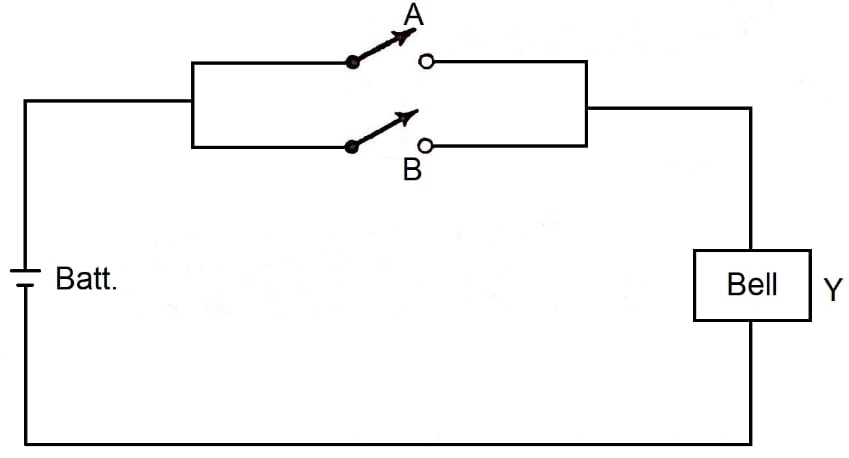
Electronic logic serves as the backbone of modern computing, enabling machines to carry out complex calculations and data processing tasks. In this digital age, understanding electronic logic is crucial for grasping how computers and electronic devices operate at their core. This article will explore the fundamental aspects of electronic logic, examining its underlying principles, components, and applications in technology.
With a focus on logic design, binary systems, and logic gates, we will uncover the inner workings of digital circuits that form the basis for everything from smartphones to supercomputers. As we delve deeper into electronic logic, we will highlight its significance in shaping our technological landscape and how it continues to evolve in response to the demands of modern applications.
Index Content
- Understanding Electronic Logic
- The Basics of Logic Design
- The Role of Binary Systems in Logic
- Key Components: Logic Gates Explained
- Types of Logic Gates: AND, OR, NOT, and More
- The Importance of Boolean Algebra in Electronic Logic
- Advanced Logic Gates: NAND, NOR, XOR, and XNOR
- Applications of Logic Gates in Digital Circuits
- Building Blocks of Arithmetic Operations
- Conclusion: The Impact of Electronic Logic in Technology
Understanding Electronic Logic
Electronic logic can be described as a set of principles and rules that guide the function of various electronic systems. These principles are primarily based on binary systems, which use two distinct states—1 and 0—to represent information. By employing this system, digital circuits can process and analyze inputs to generate outputs through logical operations. The reliability and predictability of electronic logic make it an essential part of any electronic device.
Furthermore, electronic logic provides a framework for engineers and designers to create complex systems using simple components. By applying structured logic design techniques, developers are able to create intricate devices capable of executing a wide array of tasks. This systematic approach ensures that electronic devices function properly and efficiently, making understanding electronic logic all the more important.
The Basics of Logic Design
Logic design is the process of developing circuits that perform specific logical operations using electronic logic. At the heart of logic design lies the concept of logic gates, which are essential components that determine the output based on given inputs. These gates are typically implemented using transistors and are organized into larger structures to perform more complicated tasks.
The process of logic design begins with understanding the desired functionality and outcomes of a system. Once the objectives are defined, designers can determine the necessary logic gates and how they should be connected. This structured approach facilitates the creation of reliable circuits capable of handling various logical functions, ensuring the efficient processing of data.
The Role of Binary Systems in Logic
The binary system is pivotal within the realm of electronic logic. By representing information using only two symbols, it simplifies the complexities of processing and transmitting data. Each digit in a binary number can be easily represented by various electronic states (high and low voltage) in a circuit, making it inherently suited for electronic logic applications.
The use of binary allows for the implementation of logic gates that can effectively perform calculations and evaluate conditions. This straightforward method of representing data ensures that computers can execute Boolean algebra operations with speed and accuracy, thereby enhancing overall computational power. The binary system is the foundation upon which electronic logic is built, making it an indispensable component of digital technology.
Key Components: Logic Gates Explained
Logic gates are the fundamental building blocks of electronic logic circuits, responsible for performing various logical operations on binary inputs. Each type of logic gate behaves differently based on the input values applied to it. The primary logic gates include AND, OR, and NOT gates, each defined by specific output conditions. Understanding these gates is essential for grasping how digital circuits operate.
AND Gate
An AND gate is a basic logic gate that outputs a true value (1) only when all of its inputs are also true. In other words, the output is 1 only when every input signal is high. This gate is commonly represented by the symbol “⋅” and finds applications in a wide array of digital systems where multiple conditions need to be met simultaneously.
OR Gate
An OR gate, on the other hand, produces a true output when at least one of its inputs is true. This gate is denoted by the symbol “+”. The OR gate is widely used in electronic circuits to combine multiple conditions, ensuring that when any one condition is satisfied, the output remains high.
NOT Gate
The NOT gate is a unique type of logic gate that inverts the input signal. When the input is high (1), the output is low (0), and vice versa. This simple yet powerful operation makes the NOT gate essential in many digital designs, allowing for the implementation of negation in logical expressions.
Types of Logic Gates: AND, OR, NOT, and More
Beyond the basic gates, there are additional types of logic gates that enhance the capabilities of electronic logic. These include NAND, NOR, XOR, and XNOR gates, each serving unique logical functions.
NAND Gate
The NAND gate is a combination of an AND gate followed by a NOT gate. It outputs a false value only when all its inputs are true, making it a universal gate capable of constructing any digital circuit. Its versatility has made it a staple in logic design.
NOR Gate
Similar to the NAND gate, the NOR gate behaves as an OR gate followed by a NOT gate. It outputs a true value only when all its inputs are false. This gate's universal properties also allow it to be used in designing various digital circuits.
XOR and XNOR Gates
XOR (exclusive OR) and XNOR (exclusive NOR) gates are specialized gates that provide output based on the uniqueness of input signals. The XOR gate outputs true only when the number of true inputs is odd, while the XNOR gate gives a true output when the number of true inputs is even. These gates find specific applications in comparison operations and error detection circuits.
The Importance of Boolean Algebra in Electronic Logic
Boolean algebra is an essential mathematical framework that underpins electronic logic. Named after mathematician George Boole, it serves as the foundation for reasoning about binary variables. Boolean algebra simplifies the analysis and design of logic circuits by providing a way to formally express logical relationships and operations.
Through the application of Boolean principles, designers can create simplified logical expressions that represent complex circuits. This simplification allows for efficient circuit design, ensuring that systems are not only functional but also optimized for performance. Consequently, mastering Boolean algebra is fundamental for anyone involved in the fields of electronics and computer engineering.
Advanced Logic Gates: NAND, NOR, XOR, and XNOR
Advanced logic gates, such as NAND, NOR, XOR, and XNOR, expand on the foundation set by the basic gates, enabling more complex logical functions. Their unique operational characteristics make them versatile tools for various applications in digital circuit design.
The NAND and NOR gates, in particular, are considered universal gates. This means that any logical function can be implemented using just these two types of gates. By combining multiple NAND or NOR gates, designers can create circuits capable of carrying out any computation or logical operation, showcasing the power of electronic logic.
Applications of Logic Gates in Digital Circuits
The applications of logic gates in digital circuits are vast and varied. From simple systems, such as calculators and timers, to complex structures found in microprocessors and memory devices, electronic logic is everywhere in our technology. Logic gates allow circuits to perform diverse functions, enabling decision-making capabilities that power modern devices.
For instance, in a computer CPU, logic gates process instructions and data, facilitating computations, data storage, and communication with other components. In digital communication systems, logic gates help encode and decode signals effectively, ensuring accurate data transmission. The versatility and essential nature of logic gates make them integral to virtually all electronic circuitry.
Building Blocks of Arithmetic Operations
Arithmetic operations, such as addition, subtraction, multiplication, and division, are foundational to computational tasks. Logic gates form the building blocks for these arithmetic functions, allowing computers and calculators to perform operations efficiently.
For example, a full adder circuit uses a combination of AND, OR, and XOR gates to add binary values and consider carry bits. By cascading multiple full adders together, systems can be designed to perform addition on multi-bit binary numbers. This demonstrates how mastering electronic logic is essential for developing robust arithmetic circuits.
Conclusion: The Impact of Electronic Logic in Technology
In conclusion, electronic logic forms the cornerstone of modern technology. Its principles govern the design and functionality of virtually all digital devices we interact with daily. From the basic operations carried out by individual logic gates to the complex systems designed using Boolean algebra and circuit design principles, the impact of electronic logic is profound.
As technology continues to evolve, the importance of understanding electronic logic will remain indispensable for engineers, designers, and anyone interested in the world of electronics. With ongoing advancements in computational power and new applications emerging in fields like artificial intelligence and quantum computing, the future of electronic logic is exciting and full of potential.
Did you find this article helpful? Electronic Logic: Definition, Facts, and Key Insights See more here Education.

London's Birkbeck: A Unique University Experience Awaits

Hypothesis: Definition, Meaning, and Variations Explained

What are Cartier's key routes, voyages, and accomplishments

Painting the Legacy of Vincent van Gogh: An Artistic Journey

Rally Legal: Understanding Its Definition and Meaning

Foldings: Understanding the Definition and Meaning of Folded
Leave a Reply
Related posts