

What was the evolution of the first mechanical calculator
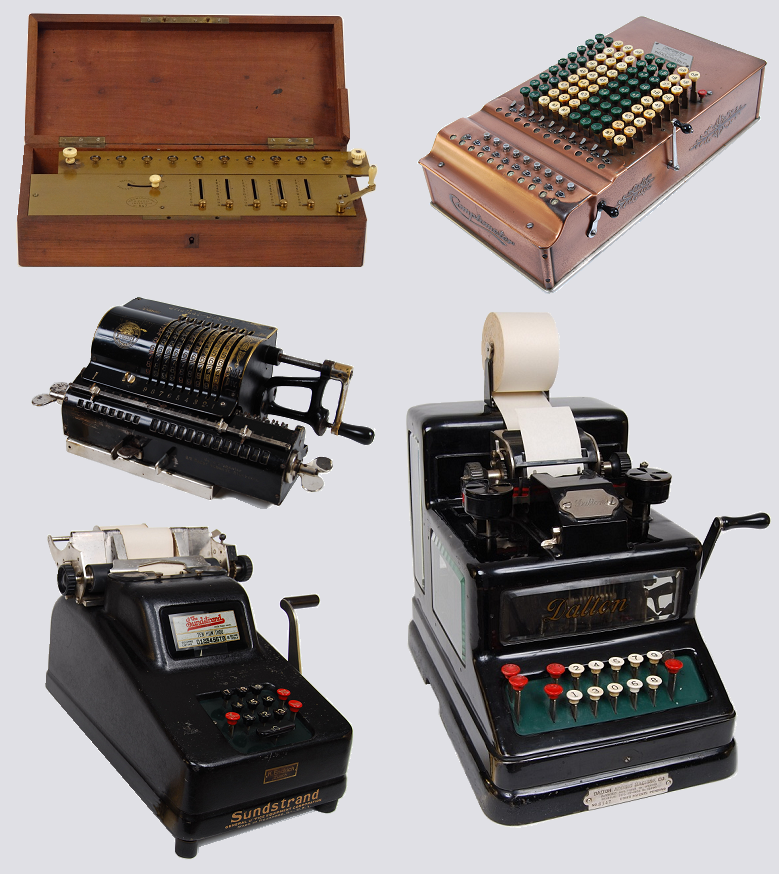
The evolution of the first mechanical calculator represents a pivotal moment in the history of mathematics and computation. Among various inventions, the debut of the mechanical calculator simplified the process of performing arithmetic operations and laid the groundwork for future advancements in computational devices. Understanding how this remarkable invention came to be provides insight into early computational thought and technology.
At the forefront of this revolution was the first mechanical calculator, designed by the brilliant French mathematician Blaise Pascal. His innovative approach to arithmetic not only addressed practical issues of his time, such as taxation but also influenced the trajectory of mechanical computation. In this article, we will explore the genesis of the mechanical calculator, Pascal’s groundbreaking invention, its design and functionalities, its economic impact, and, ultimately, how it shaped the future of calculators.
Index Content
- The Genesis of the Mechanical Calculator
- Blaise Pascal: The Mind Behind the Invention
- The Design and Functionality of the Pascaline
- The Role of the Pascaline in Financial Calculations
- Production and Impact of the Pascaline: A Business Machine
- The Significance of the Pascaline in the Evolution of Calculators
- Conclusion: The Legacy of Early Mechanical Calculators
The Genesis of the Mechanical Calculator
The concept of creating devices to aid in calculations dates back centuries, but it was during the 17th century that significant strides were made toward mechanical solutions. The first mechanical calculator emerged as a response to increasing demands for accuracy and efficiency in arithmetic operations. Early adventurers in computing, including the abacus and various counting rods, paved the way for more sophisticated inventions.
Throughout history, the need for reliable calculation methods became paramount for trade, science, and engineering. The burgeoning merchant class in Europe sought ways to streamline accounting processes and minimize errors inherent in manual calculations. Hence, the quest for an efficient mechanical solution was born—a quest that would culminate in the creation of the Pascaline.
Blaise Pascal: The Mind Behind the Invention
Blaise Pascal, a child prodigy, made significant contributions across various fields, including mathematics, physics, and philosophy. Born in 1623 in Clermont-Ferrand, France, he displayed remarkable analytical skills from a young age. By his teenage years, he was already engaging with complex mathematical theories and was influenced by the scientific revolutions of his time.
Driven by his desire to help his father, who was a tax collector, Pascal sought to create a machine that would alleviate the arduous task of repeated arithmetic. The challenge of performing calculations accurately and efficiently led him to conceptualize a device that would ultimately benefit not only his family but potentially revolutionize financial calculations on a larger scale. Thus began Pascal’s endeavor to design the first mechanical calculator, known as the Pascaline.
The Design and Functionality of the Pascaline
The Pascaline was ingeniously designed to perform basic arithmetic functions—addition and subtraction—through a system of interlocking gears and wheels. Each wheel represented different digits, and users interacted with the machine by rotating the wheels in a clockwise direction for addition and counterclockwise for subtraction. One of the most notable features of the Pascaline was its capability to carry values, enabling users to input larger numbers effectively.
Unlike previous calculating devices, the Pascaline had a user-friendly design that showcased each digit in separate windows on top of the machine. This transparency of information made it much easier for users to confirm their calculations. The mechanical nature of the device marked a significant shift from more traditional counting methods, positioning it as a marvel of engineering and a precursor to modern calculators.
The Role of the Pascaline in Financial Calculations
Although the Pascaline was primarily designed for Pascal's father’s tax collection duties, its applications extended beyond personal use. It quickly found traction among merchants and accountants who required accurate computation in their daily transactions. The mechanical calculator reduced calculation errors and minimized labor-intensive methods that were common before its advent.
Additionally, the introduction of the Pascaline brought about a greater awareness of the potential for mechanics to augment human ability. As more individuals recognized its benefits, the demand for the machine grew, reflecting a broader societal appetite for technological advancement in commerce and trade.
Production and Impact of the Pascaline: A Business Machine
The production of the Pascaline marked a significant development in the commercialization of calculating machines. Between 1642 and 1654, Pascal produced a limited number of units, with approximately 50 machines being built. The Pascaline was significant not only for its functional impact but also as one of the first instances of a reproducible mechanical device designed for business use.
Though the Pascaline did not achieve widespread commercial success due to limitations in production and operational complexity, its influence was nonetheless profound. By aiming to meet the needs of professionals, Pascal created a product that demonstrated the viability and necessity of mechanical calculation in business environments. This foreshadowed future developments in calculator technology that would further streamline accounting and numerical tasks.
The Significance of the Pascaline in the Evolution of Calculators
The introduction of the Pascaline set a fundamental precedent in the evolution of calculators and computing machines. As the first mechanical calculator, it paved the way for subsequent inventions that expanded on Pascal’s concepts and improvements in technology. Innovations that followed, such as Gottfried Wilhelm Leibniz’s stepped reckoner, drew inspiration from Pascal’s design, further solidifying the importance of the Pascaline in the history of computational devices.
Moreover, the Pascaline initiated a discussion about the potential integration of machines and human thought processes, touching upon key philosophical and mathematical questions that would continue to evolve for centuries. It heralded an age of experimentation, leading to the invention of more sophisticated devices capable of executing a broader range of calculations.
Conclusion: The Legacy of Early Mechanical Calculators
The legacy of the Pascaline, the first mechanical calculator, is far-reaching. It took a monumental step in the realm of calculation, emphasizing the role of mechanics in simplifying human tasks. As we look back at the evolution of calculators, it is evident that Pascal’s invention marked the beginning of a new era where machines would play an integral role in mathematics and commerce.
In conclusion, the history of the first mechanical calculator illustrates a fascinating interplay of creativity, necessity, and technical evolution. As we continue to build upon the foundations laid by early inventors like Pascal, we honor their contributions and recognize the intrinsic value of their innovations in our modern computational world.
Did you find this article helpful? What was the evolution of the first mechanical calculator See more here Education.

What are Guangdong Development Bank's key highlights and history

London's Birkbeck: A Unique University Experience Awaits

Hypothesis: Definition, Meaning, and Variations Explained

What are Cartier's key routes, voyages, and accomplishments

Painting the Legacy of Vincent van Gogh: An Artistic Journey

Rally Legal: Understanding Its Definition and Meaning
Leave a Reply
Related posts