

Is manufacturing in South Sudan growing despite oil conflicts

The manufacturing sector in South Sudan has often faced numerous obstacles, resulting in a traditionally small industry primarily limited by the impacts of a prolonged civil war and a consistent lack of qualified personnel and essential raw materials. The aftermath of years of conflict has left the country grappling with, not only rebuilding its infrastructure but also innovating and creating stability that encourages growth in manufacturing. However, with the signing of the Comprehensive Peace Agreement (CPA) in 2005, there has been a surge in efforts aimed at invigorating the industrial landscape, which has gradually led to the emergence of a few sectors engaged in the production of goods such as beer, soft drinks, sugar, and various food products.
Despite being rich in oil resources, South Sudan's economic potential has remained largely unleveraged due to the absence of local refining capacities. This means that oil must be refined in neighboring Sudan, creating challenges for the domestic economy. The transition towards an independent financial system after independence has represented a critical moment in the nation's economic trajectory, establishing the South Sudan pound and a new central banking authority. The repercussions of these developments are vast, particularly as they relate to the reformation of the manufacturing sector, which continues to operate within a framework heavily reliant on oil exports and an evolving agricultural foundation.
Index Content
- Overview of South Sudan's Manufacturing Sector
- Impact of the Comprehensive Peace Agreement (CPA)
- Current State of Manufacturing: Key Products
- Infrastructure Limitations: The Refinery Issue
- The Transition to an Independent Banking System
- Agriculture: A Foundation for Employment
- Trade Union Dynamics Post-Independence
- Revenue Generation: Oil Dependency and Limitations
- Conclusion: Future Prospects for Manufacturing in South Sudan
Overview of South Sudan's Manufacturing Sector
South Sudan's manufacturing sector remains a work in progress, with various segments showing potential for growth. The industrial activities currently in place primarily focus on meeting the domestic demands for food and beverages, with companies pioneering in the production of items such as beer and soft drinks. Despite this progress, the industry still suffers from challenges like infrastructural deficits, access to qualified labor, and a heavy reliance on imported goods. Without robust systems in place to support local manufacturing, the sector has not yet reached the capacity necessary to be a significant contributor to the national economy.
Historical Context: Challenges and Developments
Historically, South Sudan has faced multifaceted obstacles that have hindered the development of its manufacturing capabilities. The decades-long civil war has had devastating effects on the country's infrastructure and its workforce. As a result, the early post-independence years were characterized by efforts to rebuild and develop fundamental economic structures. The CPA marked the beginning of the rebuilding process, and various initiatives have since attempted to set a foundation for the country's future economic growth. However, persistent challenges such as ongoing instability, a lack of trained personnel, and inadequate access to essential raw materials remain critical barriers to further industrial development.
Impact of the Comprehensive Peace Agreement (CPA)
The Comprehensive Peace Agreement signed in 2005 represented a pivotal moment in the trajectory of South Sudan's manufacturing sector. The CPA not only laid the groundwork for South Sudanese independence but also offered a framework for the development of various industries. With newfound autonomy, efforts were made to attract local production within the country, with initiatives aimed at revitalizing the agricultural sector as a crucial source of raw materials for manufacture. However, the ambitious plans for industrial growth have often clashed with logistical challenges and governance issues, limiting manufacturing advancement.
Current State of Manufacturing: Key Products
As of now, South Sudan's manufacturing sector produces a limited range of key products. Noteworthy among them are beer, soft drinks, sugar, and foodstuffs that cater to local markets. Companies engaging in these goods strive to meet a population that often relies heavily on imports to sustain its needs. The interruption of supply chains, financial challenges, and capital investment deficits have hampered the expansion of these industries. For potential investors and local entrepreneurs, the manufacturing landscape is characterized by both opportunities and ongoing challenges.
The Role of Oil in the Economy
Oil continues to serve as the lifeblood of South Sudan's economy, accounting for the majority of the nation's revenue. The very foundation of South Sudan's economic stability is intertwined with crude oil exports; thus the manufacturing sector remains constrained by its dependency on oil despite the absence of local refining facilities. Consequently, when oil prices fluctuate on the international market, the ramifications on public spending and economic health can be pronounced. This dependency complicates efforts to diversify the economy and expand manufacturing, as funding and investment remain closely tied to the health of the oil sector.
Infrastructure Limitations: The Refinery Issue
One of the most significant infrastructural limitations affecting South Sudan's manufacturing sector is the absence of local refineries. While the country possesses abundant oil reserves, the need to transport crude oil to neighboring Sudan for refining causes delays and increases costs. This limitation impacts the broader economic landscape, constraining manufacturers' ability to access vital resources in a timely and cost-effective manner. Consequently, the inability to monetize local resources effectively limits the capacity of various industries within the nation.
The Transition to an Independent Banking System
The transition to an independent banking system with the establishment of the Central Bank of South Sudan has been vital in shaping the financial landscape necessary for manufacturing growth. The introduction of the South Sudan pound as the official currency provided a fresh start for the country's economy; however, the ongoing instability and the need to build trust with investors continue to pose challenges. A stable and modern banking system is crucial to support business operations across various sectors, including manufacturing, by facilitating investments and providing access to credit.
Agriculture: A Foundation for Employment
Agriculture serves as a significant foundation for employment in South Sudan and plays an essential role in supporting the manufacturing sector. With the majority of the population engaged in subsistence farming, there is a considerable opportunity to harness agricultural products for industrial use. Initiatives aimed at increasing agricultural productivity could provide local manufacturers with a consistent supply of raw materials, thereby enhancing the feasibility of growth in the manufacturing sector. Investing in agriculture may create a sustainable cycle of economic development that simultaneously supports job creation and manufacturing.
The Growing Services Sector: Opportunities Ahead
In recent years, the services sector in South Sudan has shown promising growth potential, with opportunities emerging in areas such as tourism, telecommunications, and trade. The expansion of the services sector can provide significant support to the manufacturing industry, as growing consumer demand for goods and services fuels local production. This sector's development may foster an improved logistical network while providing potential markets for locally manufactured goods, ultimately contributing to industrial advancement.
Trade Union Dynamics Post-Independence
Post-independence, South Sudan has seen a transformative shift in labor dynamics, particularly with the emergence of trade unions. Previously banned during Sudan’s governance, the presence of trade unions can provide a collective voice for workers advocating for better wages and working conditions. This can positively impact the manufacturing sector, enhancing workforce morale and productivity. However, the effect of these unions is still evolving and will depend on the broader political and economic environment.
Revenue Generation: Oil Dependency and Limitations
Revenue generation in South Sudan is largely contingent on oil, with limited taxation schemes constraining the government's fiscal capacity. The arrangements for oil revenue sharing established prior to independence have created a rather unbalanced economy and influenced the government's ability to expand its financial base. As the nation seeks to address these limitations, it will be crucial to diversify revenue sources through the development of various sectors, including manufacturing. Establishing a robust tax framework could contribute beneficially to future economic growth, especially as domestic production scales up.
Conclusion: Future Prospects for Manufacturing in South Sudan
In conclusion, while the manufacturing sector in South Sudan faces formidable hurdles, there are signs of potential growth brewing amidst existing challenges. The clear dependency on oil has hindered broader economic diversification, but ongoing efforts to enhance agriculture, develop local services, and establish a more cohesive banking environment are all optimistic indicators for the future. Ultimately, the overall trajectory of the manufacturing sector may hinge on navigating these key areas alongside establishing a stable political framework that nurtures strategic investments. Thus, transformative growth within the manufacturing sector may be achievable, provided that stakeholders align efforts towards fostering an ecosystem conducive to sustainable development.
Did you find this article helpful? Is manufacturing in South Sudan growing despite oil conflicts See more here General.

Waxy Flower: Description, Major Species, & Fascinating Facts
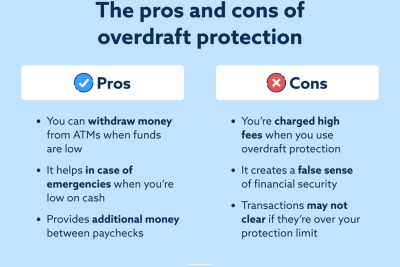
What are the costs and benefits of no-overdraft fee accounts

What are the water damage solutions in West Palm Beach

Cast of 2024 Remake: Exploring the Vampire Movie 'Nosferatu'

Apps, Controversies, and Facts: Who Owns TikTok Today

Bob Shapiro: Insights from a Renowned American Lawyer
Leave a Reply
Related posts