

What are Denmark's history and constitution under absolutism
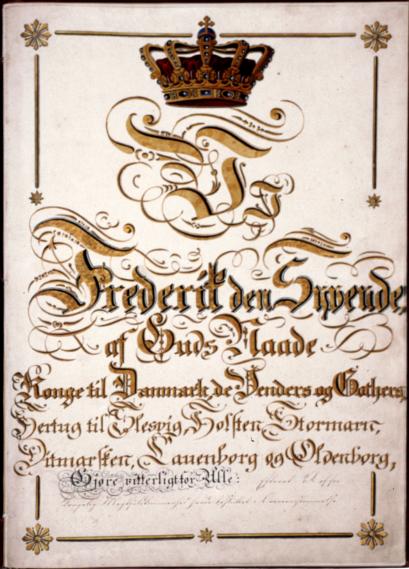
The history of Denmark under absolutism is a remarkable chapter that showcases the transformation of a nation into an absolute monarchy, marked by profound changes in governance and the role of the nobility. This period, particularly the latter half of the 17th century, is characterized by military failures and political strife that compelled the Danish crown to consolidate power, ultimately leading to the establishment of a robust bureaucratic system. The development of absolute monarchy in Denmark not only altered the relationship between the crown and its subjects but also laid the groundwork for future legal and administrative reforms that would shape the nation's governance.
This article delves into the historical context of Denmark's absolutism, exploring the decline of the nobility's power, the establishment of absolute monarchy, and the key legal reforms such as the King's Law of 1665. Along the way, we will examine the role of bureaucracy, the influence of the secret council, and significant economic changes, all of which were pivotal during this transformative period. By understanding these elements, one can appreciate how Denmark's history under absolutism continues to influence its modern governance and legal landscape.
Index Content
- Historical Context of Denmark's Absolutism
- The Decline of Nobility's Power
- The Establishment of Absolute Monarchy
- Key Legal Reforms and the King's Law of 1665
- The Role of Bureaucracy in Governance
- The Influence of the Secret Council
- Economic Changes and Taxation
- The Land Assessment of 1688
- The Creation of a Supreme Court
- Conclusion: Lasting Impacts of Absolutism on Denmark
Historical Context of Denmark's Absolutism
Denmark's journey into absolutism was not an isolated event but a culmination of various historical pressures. The nation faced significant external threats and military failures, particularly during the The Northern Wars in the 17th century that severely strained the crown's finances and highlighted the inadequacies of the nobility in managing state affairs. The nobility's inability to address issues such as tax evasion and defense against foreign powers strained relations with the monarchy, resulting in a growing call for a stronger centralized authority.
As military demands increased, so did the need for an efficient central government, which ultimately led to the absolutist reforms. The monarch's inability to rely on the traditional powers of the nobility necessitated a shift towards a more direct and centralized form of governance, where the king would assume absolute authority over his subjects and the state. This laid the foundation for what would become a pivotal period in Danish history, characterized by an evolving balance of power between the crown and its nobility.
The Decline of Nobility's Power
The decline of the nobility's power in Denmark largely stemmed from the repercussions of military failures and an economic crisis that plagued the country. With the nobility unable to effectively manage the governance and taxes necessary for the state, the king saw an opportunity to capitalize on their weaknesses. Increasing tensions rose as financial burdens fell not only on the nobility but also on the peasantry, leading to widespread discontent.
In this atmosphere of unrest, the crown began to implement reforms aimed at dismantling the political advantages held by the nobility. The establishment of a new law in the 17th century marked a significant turning point, as it revoked several of the nobility's political privileges, thereby paving the way for a more centralized power structure under the king. This shift not only shifted power dynamics but also altered how governance was perceived by the general populace.
The Establishment of Absolute Monarchy
The establishment of an absolute monarchy in Denmark marked a radical departure from previous feudal structures, where the king shared power with the nobility. Under the reign of Christian IV and later his successor Christian V, the consolidation of power became a prominent agenda. By curbing the influence of the nobility, the monarch aimed to unify the country under a centralized authority that could effectively address the challenges facing the state.
This absolute rule was formalized through legislative reforms which redefined the landscape of governance. The King's Law of 1665 played a crucial role in establishing the framework of the monarchy, solidifying the principle that the king's authority was derived directly from God, thus rendering his power unquestionable. Under this new regime, the king became the sole arbiter of justice and decision-making, diminishing the relevance of noble councils and assemblies in the governance of the realm.
Key Legal Reforms and the King's Law of 1665
The King's Law of 1665 is one of the most vital legal reforms that transformed Denmark's governance. It effectively codified the principles of absolutism, where the king wielded absolute power over legislative and judicial matters. This law replaced the existing fragmented legal structure and eliminated the varied local codes that had led to inconsistencies in legal interpretations across Denmark.
In addition, the King's Law established new mechanisms to ensure oversight and compliance with royal decrees. By streamlining the legal system, King Christian V aimed to foster a sense of unity among his subjects while ensuring that the revenue from glebes and taxes were efficiently collected to support state functions. This reform also created a legal framework that facilitated the increased taxation required to fund military endeavors and administrative costs, ultimately shaping the socio-economic landscape of Denmark.
The Role of Bureaucracy in Governance
Denmark's shift to absolutism necessitated a more organized and efficient governing system. Consequently, a burgeoning bureaucracy of administrators and officials emerged, primarily composed of wealthy landowners and university-educated individuals who were loyal to the crown. This class of bureaucrats played an integral role in implementing royal policies, managing day-to-day governance, and ensuring the collection of taxes from both the nobility and common folk.
The reliance on a capable bureaucracy helped to stabilize the kingdom and exert royal control over various regions. As decisions began to be made by a centralized authority rather than local nobility, the efficiency of administration improved, further entrenching the idea of absolutism in Denmark. Bureaucrats coordinated with the monarch to implement laws, maintain order, and manage state revenues, thus contributing to the development of a modern state apparatus.
The Influence of the Secret Council
Another crucial aspect of governance during Denmark's absolutism was the role of the Secret Council, which operated under the direct influence of the king. This council comprised advisors and high-ranking officials who played a pivotal role in decision-making processes. While the total authority rested with the king, the Secret Council provided valuable insight and counsel on matters of state, including diplomacy, military campaigns, and administration.
The relationship between the king and the Secret Council was complex; it allowed the monarch to delegate some responsibilities while maintaining ultimate control. Consequently, the council's influence often dictated the course of royal policies, ensuring that the governance reflected both the ruler's ambitions and the practical realities facing the kingdom. This centralization also acted as a mechanism of oversight, preventing the nobility from regaining power and effectively curbing any potential opposition.
Economic Changes and Taxation
Economic changes during this period were significant and closely intertwined with the implementation of absolutist policies. Taxation became a major issue as the monarchy sought to fund military expenses and maintain control over the realm. The increased burden of taxation fell heavily on peasant lands as the crown sought to compensate for the revenue lost from the nobility and their properties.
The monarchy initiated reforms to standardize the taxation system, which facilitated the collection of dues and further entrenched royal authority. This economic strategy aimed to strengthen the state’s financial base while minimizing the influence of the nobility, who had traditionally commanded substantial wealth and resources. As changes took effect, the importance of glebes as sources of revenue grew, leading to an evolving socio-economic landscape in Denmark.
The Land Assessment of 1688
To enhance revenue collection and improve the state of finances, the Land Assessment of 1688 was established as a vital reform. This nationwide assessment aimed to determine the value of land and resources owned by individuals, including the nobility and peasantry. The outcome of this assessment allowed the monarchy to increase taxes on landowners effectively while also optimizing the distribution of resources throughout the kingdom.
The Land Assessment significantly redefined landownership in Denmark, enabling the crown to ensure equitable taxation and promote a more organized economic structure. Moreover, it provided a clear and standardized method to document and verify landownership and value, which furthers the interests of the monarchy while tightening its grip on economic control. Through these reforms, the monarchy sought to maintain a balance between effective governance and financial accountability.
The Creation of a Supreme Court
The legal landscape in Denmark underwent substantial changes with the establishment of a Supreme Court under the reign of Christian V. This development aimed to unify the previously fragmented legal system, providing citizens with a centralized judicial authority to address grievances and legal disputes. The formation of the Supreme Court was crucial in reinforcing the principles of absolutism by ensuring that the law was consistently applied across the realm.
By abolishing local codes and replacing them with a national law overseen by the Supreme Court, the monarchy sought to create a sense of unity and fairness within the legal framework. This move not only enhanced the authority of the king but also provided the populace with a structured avenue to seek justice. Furthermore, the Supreme Court's role in interpreting laws and adjudicating cases contributed to the establishment of a legal foundation that would support Denmark's efforts to build a cohesive state.
Conclusion: Lasting Impacts of Absolutism on Denmark
Denmark's history under absolutism marked a transformative period that reshaped the governing landscape, the relationship between the crown and nobility, and the legal system. The decline of noble power, establishment of the absolute monarchy, and key legal reforms such as the King's Law of 1665 solidified the king's authority while fostering an efficient bureaucracy. The influence of the Secret Council provided critical guidance for royal governance while economic changes and taxation reforms established a new financial structure amid evolving dynamics among landowners.
Aspects such as the Land Assessment of 1688 and the creation of a Supreme Court laid down crucial elements that would define Denmark's legal and economic frameworks for centuries to come. In conclusion, understanding the impacts of absolutism on Denmark not only highlights the historical significance of this era but also illustrates how it laid the groundwork for future governance and the administration of law, continuing to resonate in Denmark's modern political system.
Did you find this article helpful? What are Denmark's history and constitution under absolutism See more here Education.

What are Cartier's key routes, voyages, and accomplishments

Painting the Legacy of Vincent van Gogh: An Artistic Journey

Rally Legal: Understanding Its Definition and Meaning

Foldings: Understanding the Definition and Meaning of Folded

What was trench warfare like on the Western Front in 1914

Blue Light Energy: Definition, Optics, and Intriguing Facts
Leave a Reply
Related posts