

How to Effectively Conclude a Comparison and Contrast Essay: Tips and Techniques

Index Content
- Understanding the Purpose of Your Conclusion in a Comparison and Contrast Essay
- Key Elements to Include When Ending Your Comparison and Contrast Essay
- Effective Strategies for Crafting a Strong Conclusion
- Common Mistakes to Avoid When Concluding a Comparison and Contrast Essay
- Examples of Powerful Conclusions for Comparison and Contrast Essays
Understanding the Purpose of Your Conclusion in a Comparison and Contrast Essay
In a comparison and contrast essay, the conclusion serves a critical role in synthesizing the information presented throughout the paper. This section is not merely a summary of the points discussed; rather, it encapsulates the essence of the comparisons and contrasts made. By restating the thesis in light of the evidence provided, the conclusion reinforces the main argument and highlights the significance of the analysis.
Key Functions of the Conclusion:
- Synthesis of Ideas: The conclusion ties together the main points discussed in the essay, allowing the reader to see the connections between the compared subjects.
- Restatement of Thesis: It provides an opportunity to reiterate the thesis statement, emphasizing how the evidence supports it.
- Implications and Insights: The conclusion can introduce broader implications or insights drawn from the comparison, suggesting why the analysis matters.
- Final Thoughts: It offers a chance to leave the reader with final thoughts or questions that provoke further reflection.
Furthermore, the conclusion allows the writer to highlight any unexpected findings or nuances that emerged during the comparison process. By doing so, it can invite readers to reconsider their initial perceptions about the subjects being analyzed. This element of surprise or deeper insight can enhance the overall impact of the essay, making it memorable and thought-provoking.
Ultimately, the purpose of the conclusion in a comparison and contrast essay is to provide closure while also encouraging the reader to engage with the material on a deeper level. A well-crafted conclusion not only summarizes the key points but also elevates the discussion, demonstrating the writer's ability to convey complex ideas succinctly and effectively.
Key Elements to Include When Ending Your Comparison and Contrast Essay
When crafting the conclusion of your comparison and contrast essay, it’s essential to encapsulate the main points effectively while reinforcing the significance of your analysis. A strong ending not only summarizes your findings but also leaves a lasting impression on your readers. Here are some key elements to include:
1. Restate the Thesis
Begin your conclusion by revisiting your thesis statement. This reinforces the central argument of your essay and reminds readers of the primary focus of your comparison. Restating your thesis in a fresh way can help clarify how your analysis has developed throughout the essay. For instance, if your essay compared two different educational systems, summarize how your findings support the initial claim regarding their effectiveness.
2. Summarize Key Points
Next, briefly outline the key points discussed in the body of your essay. Highlight the most significant similarities and differences you explored, ensuring that you present them in a concise manner. Use bullet points for clarity, such as:
- Similarities: Discussed shared goals of both systems.
- Differences: Highlighted the impact of funding on student performance.
- Implications: Considered how these differences affect student outcomes.
This summary helps to reinforce your analysis and reminds readers of the evidence that supports your conclusion.
3. Provide Insight or Reflection
Finally, offer some insight or reflection based on your comparison. This could involve discussing the broader implications of your findings or suggesting areas for further research. Consider what your analysis reveals about the subjects in question and how they relate to larger themes or societal issues. This not only enriches your conclusion but also engages your readers in a more profound discussion, encouraging them to think critically about the topics at hand.
Effective Strategies for Crafting a Strong Conclusion
A strong conclusion is essential for leaving a lasting impression on your audience. It is the final opportunity to reinforce your main points and ensure that your message resonates. To achieve this, consider implementing the following effective strategies.
1. Summarize Key Points
One of the most effective ways to conclude your writing is by summarizing the key points discussed. This not only helps to reinforce the main ideas but also reminds the reader of the journey they've taken through your content. When summarizing, focus on the most critical aspects and avoid introducing new information. Clear and concise summaries can enhance the retention of your message.
2. Provide a Call to Action
Encouraging your audience to take action can significantly enhance the effectiveness of your conclusion. Whether it’s visiting a website, signing up for a newsletter, or implementing a suggestion, a clear call to action prompts readers to engage further. Make your call to action specific and actionable, guiding your audience on what steps they should take next.
3. End with a Thought-Provoking Statement
To leave a lasting impression, consider ending your conclusion with a thought-provoking statement or a rhetorical question. This technique invites readers to reflect on the topic and consider its broader implications. A well-crafted final thought can resonate long after the reading is over, prompting ongoing engagement with the subject matter.
4. Create a Sense of Closure
Finally, ensure that your conclusion provides a sense of closure. This can be achieved by tying back to the introduction or a central theme presented in your writing. By creating a cohesive narrative, you allow readers to feel that they have completed a journey, reinforcing their understanding and connection to your content.
Common Mistakes to Avoid When Concluding a Comparison and Contrast Essay
When wrapping up a comparison and contrast essay, many writers fall into specific traps that can undermine their arguments and leave readers confused. One of the most common mistakes is introducing new information or points in the conclusion. This section should serve to summarize and synthesize the main arguments rather than introduce fresh ideas. By including new content, you risk diluting the impact of your previous analysis and leaving your readers with unanswered questions.
Another frequent error is failing to clearly restate the thesis statement. While it’s essential to avoid mere repetition, restating your thesis in a fresh way reinforces the central argument of your essay. This is the moment to remind your readers of the main purpose of your comparison or contrast, emphasizing how the insights gained throughout the essay contribute to a deeper understanding of the topic. A vague or absent thesis restatement can make your conclusion feel incomplete and unsatisfactory.
Additionally, writers often neglect to highlight the significance of their comparisons and contrasts. A strong conclusion should not only summarize the main points but also explain why these comparisons matter. Addressing the implications of your findings can help engage your readers and provide them with a sense of closure. It’s important to articulate how your analysis can influence their understanding or perspective on the subject, thus enhancing the overall value of your essay.
Finally, avoid overly emotional language or subjective opinions in your conclusion. While it may be tempting to express personal feelings about the topics discussed, a comparison and contrast essay should remain analytical and objective. Maintaining a formal tone helps reinforce the credibility of your arguments and keeps the focus on the evidence presented rather than personal bias. By steering clear of these common pitfalls, you can create a more effective and impactful conclusion for your comparison and contrast essay.
Examples of Powerful Conclusions for Comparison and Contrast Essays
Understanding the Importance of a Strong Conclusion
A powerful conclusion in a comparison and contrast essay is essential for reinforcing the main arguments and providing a clear resolution. It synthesizes the key points discussed throughout the essay and leaves a lasting impression on the reader. A well-crafted conclusion not only summarizes the similarities and differences between the subjects but also emphasizes the significance of these comparisons.
Examples of Effective Concluding Statements
Here are some examples of powerful concluding statements that can enhance your comparison and contrast essays:
- “While both novels explore the theme of isolation, the protagonists’ journeys highlight the different paths one can take to find connection.”
- “In comparing the environmental policies of both countries, it is evident that a commitment to sustainable practices can lead to a healthier planet.”
- “Though both athletes exhibit extraordinary talent, their approaches to training reveal the diverse paths to success in competitive sports.”
Crafting a Compelling Final Thought
To create a compelling final thought, consider reflecting on the broader implications of your comparison. For example, you might write, “Ultimately, the differences between renewable and non-renewable energy sources not only shape our current environmental landscape but also determine the future of energy consumption.” This type of conclusion encourages readers to think critically about the topics discussed and consider their relevance in a larger context.
Incorporating these strategies into your conclusion will not only enhance the effectiveness of your essay but also engage your audience, prompting them to reflect on the insights you've presented.
Did you find this article helpful? How to Effectively Conclude a Comparison and Contrast Essay: Tips and Techniques See more here General.

Top Colleges You Can Get Into with a 3.8 GPA: Your Ultimate Guide

Is the Defense Intelligence Agency vital for national intelligence
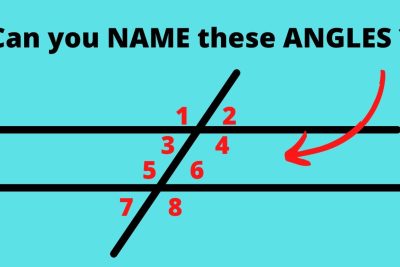
Understanding Parallel Lines Cut by a Transversal: Types of Angles Explained

Rosenberg's Double Life: Engineer Turned American Spy

What is gossip and its role in social conversations

John Cole: Biography & Facts About His Life and Career
Leave a Reply
Related posts