

Huks in Filipino History: WWII Resistance and Valor Unveiled
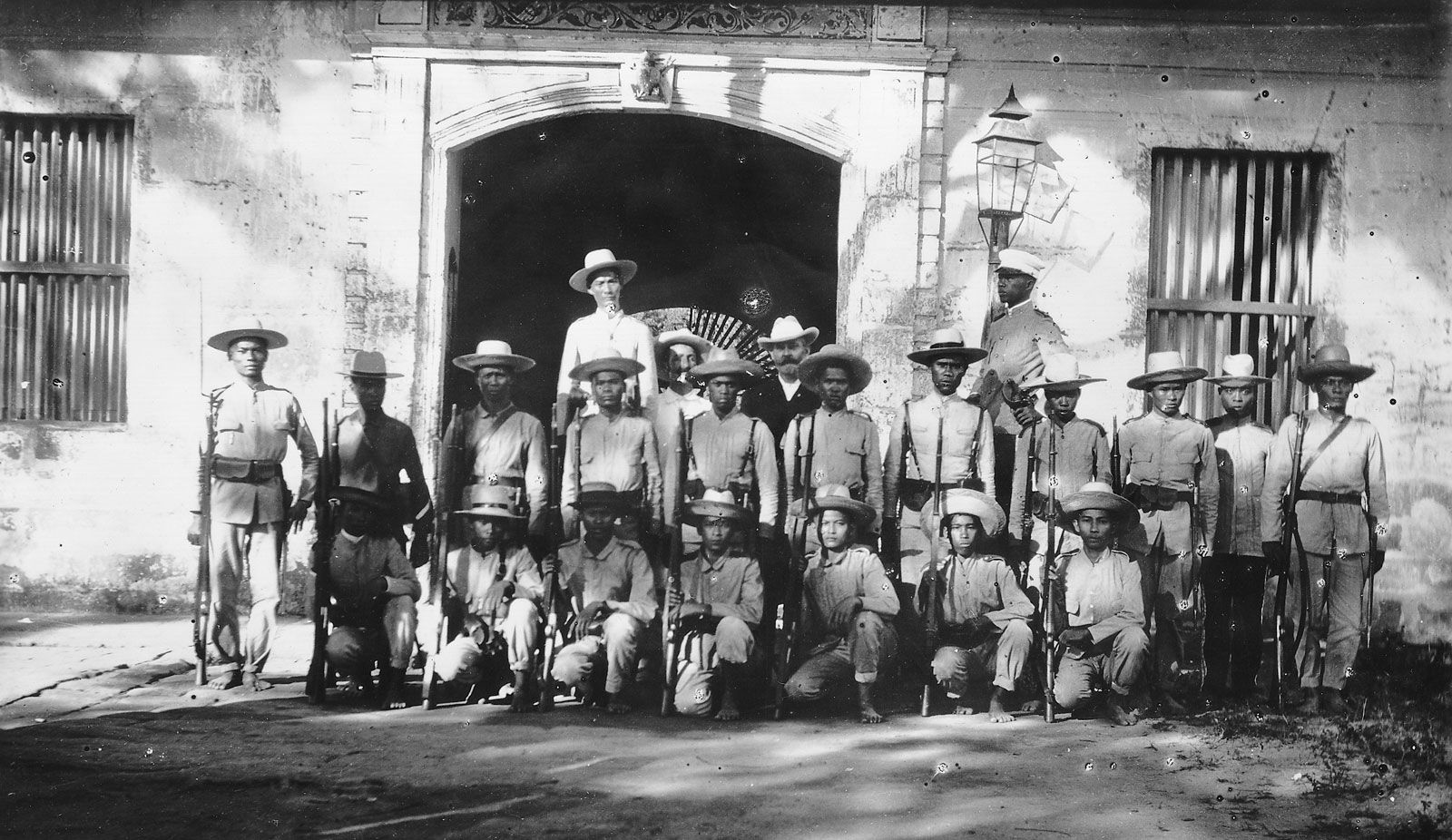
The Huks, formally known as the Hukbalahap, played a pivotal role in Filipino history, especially during the tumultuous era of World War II and its aftermath. As a peasant uprising fueled by a profound socioeconomic divide, the Huks emerged from the struggle against Japanese occupation, evolving into a significant force advocating for the rights of impoverished tenant farmers in central Luzon. This article aims to unveil the resistance and valor of the Huks, exploring their origins, struggles, and lasting legacy in shaping the narrative of the Philippines.
In the context of Filipino history, the Huks represent more than just a rebellion; they symbolize a collective fight for dignity and justice against systematic oppression from both foreign invaders and local elites. This detailed examination delves into the foundations of the Hukbalahap movement, its key events during World War II, post-war challenges, and the eventual decline of the movement—offering insights into the indelible marks left by the Huks on modern Philippine society.
Index Content
- Overview of the Hukbalahap Movement
- The Struggle Against Japanese Occupation: Huks in WWII
- Post-War Challenges: The Socioeconomic Divide
- The Huk Rebellion: Key Events and Turning Points
- Government Response: Crackdowns and U.S. Military Support
- Ramon Magsaysay: A Turning Point in Public Sentiment
- The Decline of the Huk Movement: Surrender and Aftermath
- Legacy of the Huks: Unfulfilled Promises and Ongoing Sentiments
- Conclusion: The Huks in the Context of Filipino History
Overview of the Hukbalahap Movement
The Hukbalahap movement, or Huks as they are commonly known, formally began as a revolutionary group during World War II. Initially organized in 1942 to combat the Japanese occupation, the Huks were primarily composed of Filipino peasants who suffered under the feudal system imposed by wealthy landowners. The movement quickly evolved from a guerrilla warfare unit into a full-fledged political organization advocating for agrarian reform and social justice.
The Origins of the Huks: From Guerrilla Fighters to Peasant Advocates
The origins of the Huks can be traced back to the oppressive conditions faced by tenant farmers in the Philippines. These farmers were often subjected to exorbitant rents and unjust labor requirements imposed by landowners, creating a palpable sense of frustration and disillusionment. The harsh realities of life in rural areas led many to believe that change was necessary, and they found hope in the formation of the Hukbalahap movement.
With the invasion of Japanese forces in 1941, the Huks saw a unique opportunity to transform their anger into action. Utilizing guerrilla tactics, the Huks engaged in sabotage and direct confrontations with Japanese troops, swiftly building a reputation as fierce defenders of their homeland. This early success laid the groundwork for a more extensive political endeavor, as leadership within the movement began to embrace a stronger focus on advocating for the rights of peasants and addressing the underlying social and economic inequalities that plagued Filipino society.
The Struggle Against Japanese Occupation: Huks in WWII
During World War II, the Huks became prominent figures within the Philippine resistance against Japanese forces. The movement's activities were characterized by a commitment to challenging the oppressive regime, with the Huks undertaking daring operations to disrupt Japanese supply lines and rescues of fellow Filipinos. Their successes enhanced their reputation as heroes among the local populace, who saw them as protectors of their rights and livelihoods.
Moreover, the Huks built alliances with other resistance groups, recognizing the power of unity in their fight against the Japanese occupation. The collaboration not only fortified their military position but also established a network of support that would influence future political dynamics in the post-war period. As the war neared its conclusion, the Huks emerged as a formidable force in central Luzon, garnering widespread local support and laying the groundwork for their transformation into a political movement.
Post-War Challenges: The Socioeconomic Divide
Despite their success during World War II, the Huks faced significant challenges in the post-war landscape. Following the departure of Japanese forces, a new struggle began—a struggle for social and economic justice against a returning government inclined to protect the interests of wealthy landowners. The socioeconomic divide remained stark; while landowners benefitted from an influx of U.S. aid, tenant farmers remained marginalized with little hope for meaningful change.
The promise of land reform was central to the Huks' agenda, as they aimed to dismantle the feudal system that had long oppressed rural communities. However, the government’s inaction and a lack of substantial reform measures only heightened tensions. Many former Huks fighters transitioned into political education roles, rallying fellow peasants to advocate for their rights, yet the government's response was hostile, perceiving the movement as a threat to its stability and authority.
The Huk Rebellion: Key Events and Turning Points
The Huk Rebellion formally began in 1946, as the Huks organized to demand government accountability for land reform and social justice. Key events during this period include the widespread strikes and protests led by the Huks. The movement's ability to mobilize rural supporters showcased the depth of discontent among the peasant class and illustrated their unwavering commitment to securing their basic rights.
- The Central Luzon Uprising (1946): Marked by a significant escalation in violence, this uprising highlighted the deep fissures within Filipino society and propelled the Huks into the national spotlight.
- The 1947 Presidential Election: The Huks attempted to influence the election, advocating for candidates sympathetic to agrarian reform. Despite their efforts, the results reflected entrenched political loyalties to the existing order.
- The 1950s Crackdowns: As the movement grew, the government responded with increasing military measures aimed at suppressing the Huks. This conflict marked a turning point that strained the Huks' internal cohesion.
Government Response: Crackdowns and U.S. Military Support
The response from the Philippine government to the Huks was swift and harsh. Authorities, with the backing of the United States through military aid, launched extensive crackdowns to quell the rebellion. U.S. military support under President Truman aimed to contain the spread of Communism in the region and reinstated a pro-government stance, further stigmatizing the Huks. This external intervention not only strengthened government forces but also deepened the division between the Huks and the agrarian communities they sought to defend.
Ramon Magsaysay: A Turning Point in Public Sentiment
The election of Ramon Magsaysay in 1953 brought a significant shift in public sentiment and government policy towards the Huks. Known for his populist approach and focus on social justice, Magsaysay recognized the importance of addressing the grievances of tenant farmers and sought to introduce reforms to ameliorate the exploitative conditions faced by the rural populace. His administration represented a bifurcation from earlier approaches, fostering dialogue rather than outright hostility towards the Huks.
This newfound approach would evoke mixed reactions—while it undermined some recruitment efforts among disillusioned peasants, it also led to some Huks exploring a political path rather than militant engagement. However, the allure of armed struggle had not completely dissipated, and divisions within the movement began to surface, leading to a decline in cohesion and focus.
The Decline of the Huk Movement: Surrender and Aftermath
By 1954, the Huk Movement was nearing its end. A series of strategic miscalculations, government crackdowns, and changes in public sentiment under Magsaysay contributed to diminishing support for the Huks. Key leaders began to surrender, recognizing the futility of resistance against an increasingly fortified government establishment. The outcomes of military operations, combined with growing exhaustion among the ranks, effectively laid the groundwork for the disbandment of the once-dominant movement.
Legacy of the Huks: Unfulfilled Promises and Ongoing Sentiments
The legacy of the Huks remains a contentious subject in Philippine history. Although their immediate rebellion ended, the unresolved social inequalities perpetuated by the feudal system and unfulfilled land reform promises continued to resonate in rural communities. The sentiments of disenfranchisement persisted and found expression in various future movements aimed at social and agrarian reform, highlighting the Huks' lasting impact on Philippine politics and society.
Conclusion: The Huks in the Context of Filipino History
In conclusion, the Huks represent a significant chapter in the narrative of Filipino history, encapsulating the struggle for justice and equality amid oppression. Originating as a resistance movement during World War II, their evolution into a political force illustrated the complexities of addressing socio-economic disparities in post-colonial societies. Despite their decline, the Huks left an indelible mark on Philippine society, serving as a cautionary tale of unfulfilled promises and the enduring fight for the rights of marginalized communities.
Did you find this article helpful? Huks in Filipino History: WWII Resistance and Valor Unveiled See more here Education.

What are Cartier's key routes, voyages, and accomplishments

Painting the Legacy of Vincent van Gogh: An Artistic Journey

Rally Legal: Understanding Its Definition and Meaning

Foldings: Understanding the Definition and Meaning of Folded

What was trench warfare like on the Western Front in 1914

Blue Light Energy: Definition, Optics, and Intriguing Facts
Leave a Reply
Related posts