

What are insights on Tibetan monasticism and reincarnation
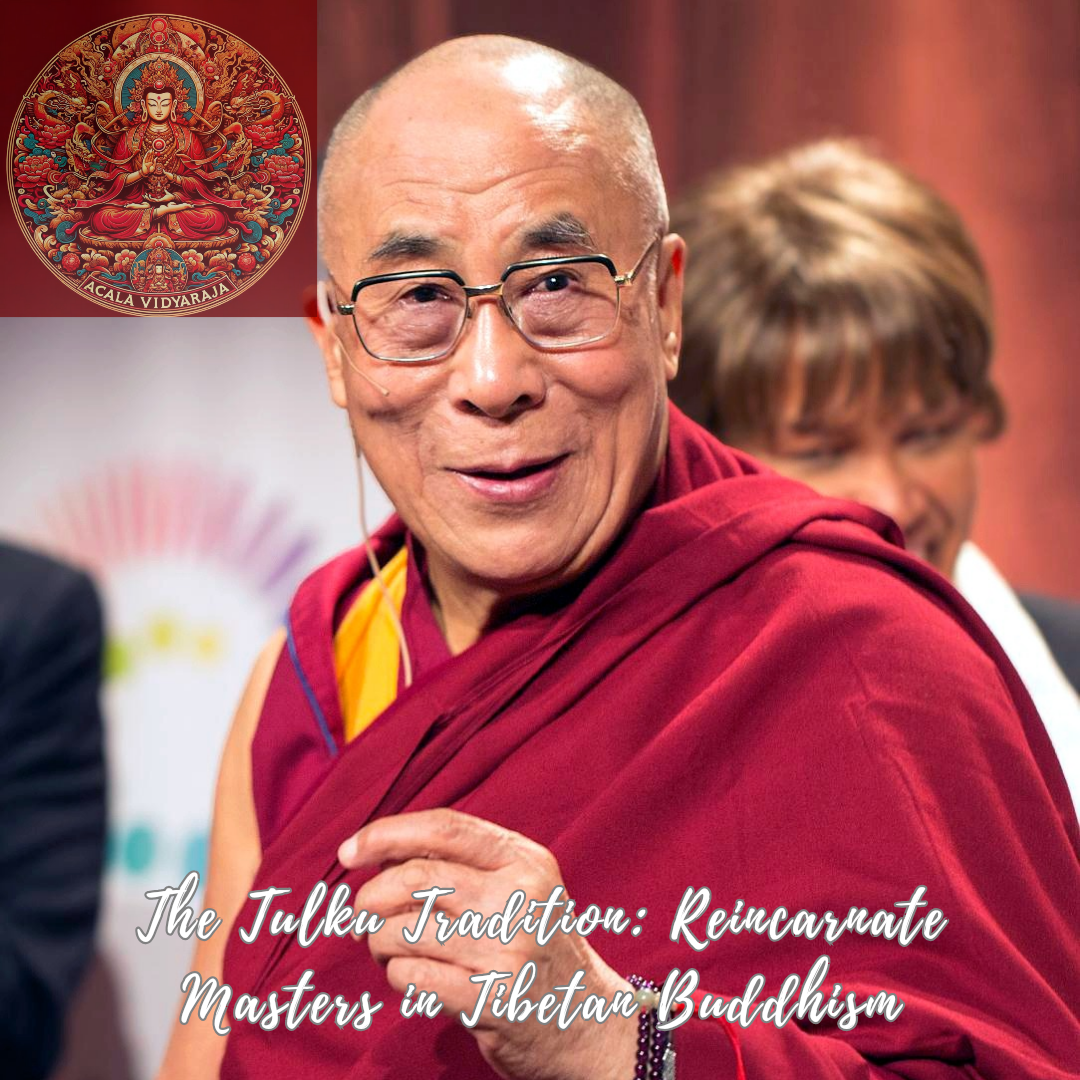
Tibetan monasticism holds a unique and vital position within the rich tapestry of Tibetan Buddhism, serving as the heart of spiritual practice and community life. Insights into this sacred tradition reveal a profound connection between spirituality, education, and the pursuit of enlightenment through monastic endeavors. The integration of reincarnation into Tibetan monasticism adds a fascinating dimension to the understanding of lamas and their roles, blurring the lines between life and death in the quest for higher wisdom.
At the core of Tibetan monastic life lies the reverence for lamas, spiritual leaders who guide practitioners on their journey toward awakening. The influence of reincarnation is especially pronounced in the identification and training of sprul-sku lamas, whose existence embodies a continuous cycle of life and death, marked by the transmission of sacred knowledge and practices across generations. This article delves into the intricate aspects of Tibetan monasticism and reincarnation, offering insights into their definitions, structures, and the roles they play in the richness of Tibetan Buddhist culture.
Index Content
- Definition of Tibetan Monasticism
- The Role of Lamas in Tibetan Buddhism
- Understanding Reincarnation in Tibetan Culture
- The Concept of Sprul-sku Lamas
- Notable Reincarnate Lamas: Dalai Lama and Panchen Lama
- The Process of Identifying a Reincarnated Lama
- The Training and Responsibilities of a Reincarnated Lama
- The Importance of Oracles in Reincarnation Identification
- Monastic Life and Spiritual Achievement in Tibetan Buddhism
- Conclusion: Insights on Tibetan Monasticism and Reincarnation
Definition of Tibetan Monasticism
Tibetan monasticism is a religious and social institution deeply rooted in the traditions of Tibetan Buddhism. It encompasses the lives of monks and nuns who dedicate themselves to the study and practice of Buddhist teachings. Monasteries, known as lama houses, serve as centers for learning, meditation, and communal living, where individuals can immerse themselves in spiritual pursuits away from secular distractions. Within these monastic frameworks, the teachings of the Buddha are preserved, transmitted, and actively practiced.
Monastic life is characterized by a strict set of codes, including vows of celibacy, adherence to ethical precepts, and commitment to communal living. The role of a lama, originally meaning "guru" or "master," has evolved to represent not just heads of monasteries but also respected spiritual teachers across various ranks. Each lama commits to a path of enlightenment and aims to help others achieve the same through guidance and mentorship.
The Role of Lamas in Tibetan Buddhism
In Tibetan Buddhism, lamas play a crucial role in guiding practitioners and maintaining the integrity of the teachings. They are seen as spiritual leaders who have attained a significant degree of realization, often recognized for their deep understanding of the Dharma. Lamas are responsible for conducting rituals, offering teachings, and providing spiritual counsel to their community.
Some lamas hold positions of great authority, such as the Dalai Lama, who is regarded as the spiritual leader of Tibetan Buddhism. This esteemed title signifies not only personal achievement but also a lineage that traces back to the founder of the tradition. The Dalai Lama's influence extends beyond Tibet, promoting values such as compassion, non-violence, and understanding on a global scale.
Understanding Reincarnation in Tibetan Culture
Reincarnation is a fundamental concept within Tibetan Buddhism, reflecting the belief in the continuous cycle of life, death, and rebirth (samsara). This cycle is shaped by karmic actions from previous lives, which determine one's conditions in future incarnations. An individual's ultimate goal is to break free from this cycle and attain enlightenment.
This understanding of reincarnation profoundly influences the practices within Tibetan monasticism. The belief that highly realized individuals may return to guide others as sprul-sku lamas infuses the community with reverence and purpose. The notion that spiritual leaders can manifest in new forms adds a dynamic layer to the relationship between lamas and their followers, fostering a sense of continuity and connection across generations.
The Concept of Sprul-sku Lamas
Within Tibetan Buddhism, the concept of sprul-sku lamas represents those who are believed to be reincarnations of accomplished masters. The term "sprul-sku" translates to "emanation body," signifying that these individuals return to this world to fulfill a specific purpose, often tied to the spiritual needs of the community. Their presence is seen as an embodiment of compassion, wisdom, and the ability to guide practitioners on their path.
Sprul-sku lamas are identified using a variety of methods, often steeped in tradition and ritual. Their recognition is usually based on signs and prophecies, as well as the continuity of teachings passed down by their predecessors. This tradition adds a rich layer of significance to the lineage of Tibetan Buddhism, emphasizing the continuity between past and present spiritual leaders.
Notable Reincarnate Lamas: Dalai Lama and Panchen Lama
The two most prominent reincarnate lamas in Tibetan Buddhism are the Dalai Lama and the Panchen Lama. The Dalai Lama is revered as the spiritual leader of the Tibetan people and is often considered the manifestation of the Bodhisattva Avalokiteshvara, embodying compassion and wisdom. The selection process for the Dalai Lama is rigorous and involves divination, consultation with oracles, and careful consideration of potential candidates, typically identified as being born shortly after the previous Dalai Lama's death.
Similarly, the Panchen Lama holds a significant role, regarded as the second highest spiritual authority within Tibetan Buddhism. The relationship between the Dalai Lama and the Panchen Lama is pivotal; both play crucial roles in the continuity of Tibetan Buddhist teachings and practices. The recognition and training of these integral figures emphasize the importance of reincarnation, linking the past and future in the ongoing evolution of Tibetan spirituality.
The Process of Identifying a Reincarnated Lama
The process of identifying a reincarnated lama, particularly for prominent figures like the Dalai Lama and the Panchen Lama, is multifaceted and steeped in ancient traditions. Following the passing of a lama, a search is undertaken, often involving consultation with oracles and divination to reveal indications of where the next incarnation may be found. Oracles serve as mediators between the spiritual realm and the physical world, guiding the search committee toward possible candidates.
Once a potential candidate is identified, a series of tests is conducted to determine their authenticity. These tests often include recognizing personal belongings of the previous lama, showcasing innate knowledge, and displaying spiritual qualities indicative of their previous existence. This rigorous process ensures that the continuity of teachings, practices, and spiritual authority is upheld within the community.
The Training and Responsibilities of a Reincarnated Lama
Upon successful identification, a reincarnated lama undergoes extensive training to prepare them for their spiritual responsibilities. This education typically involves rigorous study of Buddhist texts, philosophical teachings, and ethical practices. The training period is crucial for molding the young lama into a capable spiritual leader who can guide their community with wisdom and compassion.
In addition to academic training, a reincarnated lama is also taught the practical aspects of leading a monastery, performing rituals, and interacting with devotees. Responsibilities increase as the lama grows older and more adept in their understanding of the teachings. Throughout this process, they are often assisted by a regent who manages the day-to-day affairs of the monastery until the lama is deemed ready to assume leadership.
The Importance of Oracles in Reincarnation Identification
Oracles hold a significant place in the cultural and spiritual life of Tibetan Buddhism, particularly in the identification of reincarnated lamas. Traditionally, oracles are believed to possess divine insights that bridge the gap between the physical world and the spiritual realm. During the search for a reincarnated lama, oracles offer guidance and confirmation of identified candidates, providing a channel for the insights of the spiritual community.
The process typically involves trance states or rituals where oracles communicate messages received through visions or divine interventions. The reliance on oracles underscores the deep-rooted belief within Tibetan Buddhism that spiritual authorities can be guided by supernatural means, ensuring the authenticity of reincarnation claims and maintaining the integrity of spiritual leadership.
Monastic Life and Spiritual Achievement in Tibetan Buddhism
In Tibetan Buddhism, monastic life is viewed as a vital pursuit on the path to spiritual achievement. Monks and nuns dedicate their lives to accumulating wisdom, practicing compassion, and engaging in community service. The monastic community provides support, fostering an environment conducive to deep reflection, meditation, and ethical living.
Monasteries serve as sanctuaries where individuals can cultivate a connection with the teachings of the Buddha and engage in practices aimed at transcending personal suffering. The daily routines of monks often include prayer, meditation, and study sessions, allowing them to engage deeply with the profound narratives of the Dharma. This monastic life promotes personal development and a spirit of selfless service, further enriching the community.
Conclusion: Insights on Tibetan Monasticism and Reincarnation
In exploring the connections between Tibetan monasticism and reincarnation, it is evident that these aspects are intricately woven into the fabric of Tibetan Buddhist culture. The role of lamas, particularly sprul-sku lamas, highlights a unique understanding of spiritual continuity that transcends individual lifetimes, offering both inspiration and guidance to practitioners. The processes involved in recognizing and training reincarnated lamas underscore the importance of preserving sacred wisdom and communal integrity in an ever-evolving spiritual landscape.
Through the lens of monastic life, we gain insights into the profound commitment of practitioners to their spiritual paths while embracing the reality of reincarnation as a means to illuminate their journey. Overall, the study of Tibetan monasticism and reincarnation not only deepens our understanding of Tibetan Buddhism but also offers valuable perspectives on the broader human quest for meaning and connection beyond the temporal.
Did you find this article helpful? What are insights on Tibetan monasticism and reincarnation See more here Education.

Rally Legal: Understanding Its Definition and Meaning

Foldings: Understanding the Definition and Meaning of Folded

What was trench warfare like on the Western Front in 1914

Blue Light Energy: Definition, Optics, and Intriguing Facts

Household Cash Tips: Mastering Your Finances at Home

What is chromatography's role in separation and resolution
Leave a Reply
Related posts