

Nutrition Needs: Essential Vitamins, Minerals, and Proteins

In the contemporary world, understanding our nutrition needs has never been more critical. With the overwhelming amount of information available regarding healthy diets and lifestyle choices, it is essential to identify the vital components that contribute to our overall well-being. This article delves into essential vitamins, minerals, and proteins, providing guidance on how to meet the nutrients needed for a healthier life.
Our bodies require a variety of nutrients to function efficiently, which can be broadly categorized into macronutrients and micronutrients. Macronutrients, which include carbohydrates, lipids, and proteins, are vital for providing energy and essential building blocks for growth and maintenance. Micronutrients, consisting of vitamins and minerals, play an important role in metabolic processes and overall health. This article will explore these nutrients in depth, highlighting their significance and how they contribute to our daily nutrition needs.
Index Content
Understanding Nutrients: The Basics
Nutrients are substances that our bodies need to function correctly and maintain optimal health. There are six primary classes of nutrients essential for human health: carbohydrates, lipids (fats), proteins, vitamins, minerals, and water. Each class has distinct functions and requirements that contribute to overall well-being. A balanced diet should include all these nutrients to meet the body's nutrition needs.
Macronutrients: Carbohydrates, Lipids, and Proteins
Macronutrients are the nutrients required by the body in larger amounts to provide energy and support bodily functions. The three main macronutrients are carbohydrates, lipids, and proteins. Each of these plays a crucial role in our daily diet.
- Carbohydrates: The primary energy source for the body.
- Lipids: Essential fatty acids that are vital for hormone production and cell function.
- Proteins: Important for growth, repair, and overall body maintenance.
The Role of Carbohydrates in Energy Supply
Carbohydrates are the body's main source of energy, making up a significant portion of our daily caloric intake. When consumed, carbohydrates are broken down into glucose, which is used as fuel by the brain, muscles, and other vital organs. This rapid conversion makes carbs a preferred energy source, especially during high-intensity activities.
Glucose: Fuel for the Brain and Muscles
Glucose is a simple sugar and a primary source of energy for the body's cells. The brain, in particular, relies on glucose as its main energy source, requiring a steady supply to function optimally. Muscles also utilize glucose during physical activity, especially during anaerobic exercises, where energy demands are high. A constant supply of glucose is vital for sustaining energy levels and overall performance.
Hormonal Regulation of Blood Glucose Levels
Maintaining stable blood glucose levels is essential for health. Hormonal regulation is key in this process, with insulin and glucagon being the primary hormones involved. Insulin aids in lowering blood glucose levels by facilitating the uptake of glucose into cells, while glucagon serves to increase blood glucose levels when necessary. This delicate balance is crucial for preventing conditions such as hypoglycemia and hyperglycemia.
Exploring Different Types of Carbohydrates
Carbohydrates can be classified into several categories, each with distinct properties and effects on the body. The main types include:
- Simple sugars: These are quickly absorbed by the body and provide immediate energy.
- Disaccharides: Composed of two simple sugars linked together, such as sucrose and lactose.
- Oligosaccharides: Short chains of sugar units that can have beneficial effects on gut health.
- Polysaccharides: Complex carbohydrates, such as starch and glycogen, which serve as long-term energy reserves.
The Importance of Dietary Fiber
Dietary fiber is a unique type of carbohydrate that cannot be digested by our bodies. It plays a vital role in maintaining digestive health, regulating blood sugar levels, and supporting heart health. Fiber is essential for promoting regular bowel movements and preventing constipation. It is found in high amounts in whole grains, fruits, vegetables, legumes, and nuts.
Digestion of Complex Carbohydrates
Complex carbohydrates, such as starches, need to be broken down into simpler sugars for the body to utilize. This process begins in the mouth with salivary enzymes and continues in the intestines where digestive enzymes further break down the carbohydrates. This systematic breakdown allows complex carbohydrates to provide a more sustained release of energy compared to simple sugars.
Lactose Intolerance: Causes and Effects
Lactose intolerance occurs when the body lacks enough lactase, an enzyme needed to digest lactose, the sugar found in milk. This condition often appears after childhood when lactase production decreases. Individuals with lactose intolerance may experience bloating, diarrhea, and gas after consuming dairy products. Understanding this condition can help individuals make informed dietary choices that meet their nutrition needs.
Micronutrients: The Vital Vitamins and Minerals
Micronutrients, which include vitamins and minerals, are crucial for various metabolic processes and overall health. Unlike macronutrients, these are required in smaller quantities but are no less vital for bodily functions. While they do not provide energy themselves, they facilitate the proper use of energy from macronutrients.
Daily Requirements: How Much Do We Need?
It's essential to understand the nutrition needs for vitamins and minerals on a daily basis. The average adult requires about 300 mg of various vitamins and 20 g of minerals each day. Such requirements can vary based on factors like age, gender, activity level, and overall health status. Adequate intake can typically be achieved through a diversified diet that includes fruits, vegetables, whole grains, lean proteins, and healthy fats.
The Importance of Proteins in Nutrition
Proteins are essential macronutrients that play a significant role in growth, repair, and maintenance of body tissues. Composed of amino acids, proteins are involved in numerous physiological functions, including enzyme production, immune response, and hormone regulation. An adequate protein intake is crucial for both adults and children to support muscle growth and recovery, particularly in athletes.
The daily protein requirement varies, with general guidelines suggesting about 0.8 grams of protein per kilogram of body weight for adults. Individuals engaging in regular exercise, especially strength training, may require more to support muscle repair and growth.
Conclusion: Balancing Your Nutritional Needs
In conclusion, addressing your nutrition needs involves a comprehensive understanding of the nutrients needed for optimal health. Ensuring a balanced intake of macronutrients and micronutrients is essential for maintaining energy levels, supporting bodily functions, and fostering overall well-being. By educating ourselves about the various classes of nutrients and their respective roles in our diet, we can take proactive steps towards achieving a healthier lifestyle.
To meet your nutrition needs, it is vital to incorporate a diverse range of foods rich in essential vitamins, minerals, proteins, carbohydrates, and healthy fats. Developing healthy eating habits and being mindful of our nutrient intake can significantly improve our quality of life and prevent chronic diseases. By prioritizing a balanced diet, we can ensure that our bodies receive the nutrients needed to thrive.
Did you find this article helpful? Nutrition Needs: Essential Vitamins, Minerals, and Proteins See more here Education.

Map and Facts About Niamey: President, Population, and More
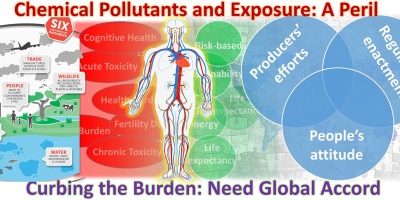
What chemical properties influence poisoning and pollution
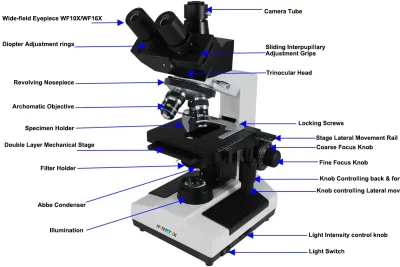
What is magnification, optics, and illumination in microscopes

Understanding Theory: Definition, Meaning, and Importance

Amazon River: Predator and Prey Dynamics Explained

Centauri System: Exploring Our Nearest Star Neighbors
Leave a Reply
Related posts