

Oceanic Ocean: Description, Examples, and Fascinating Facts
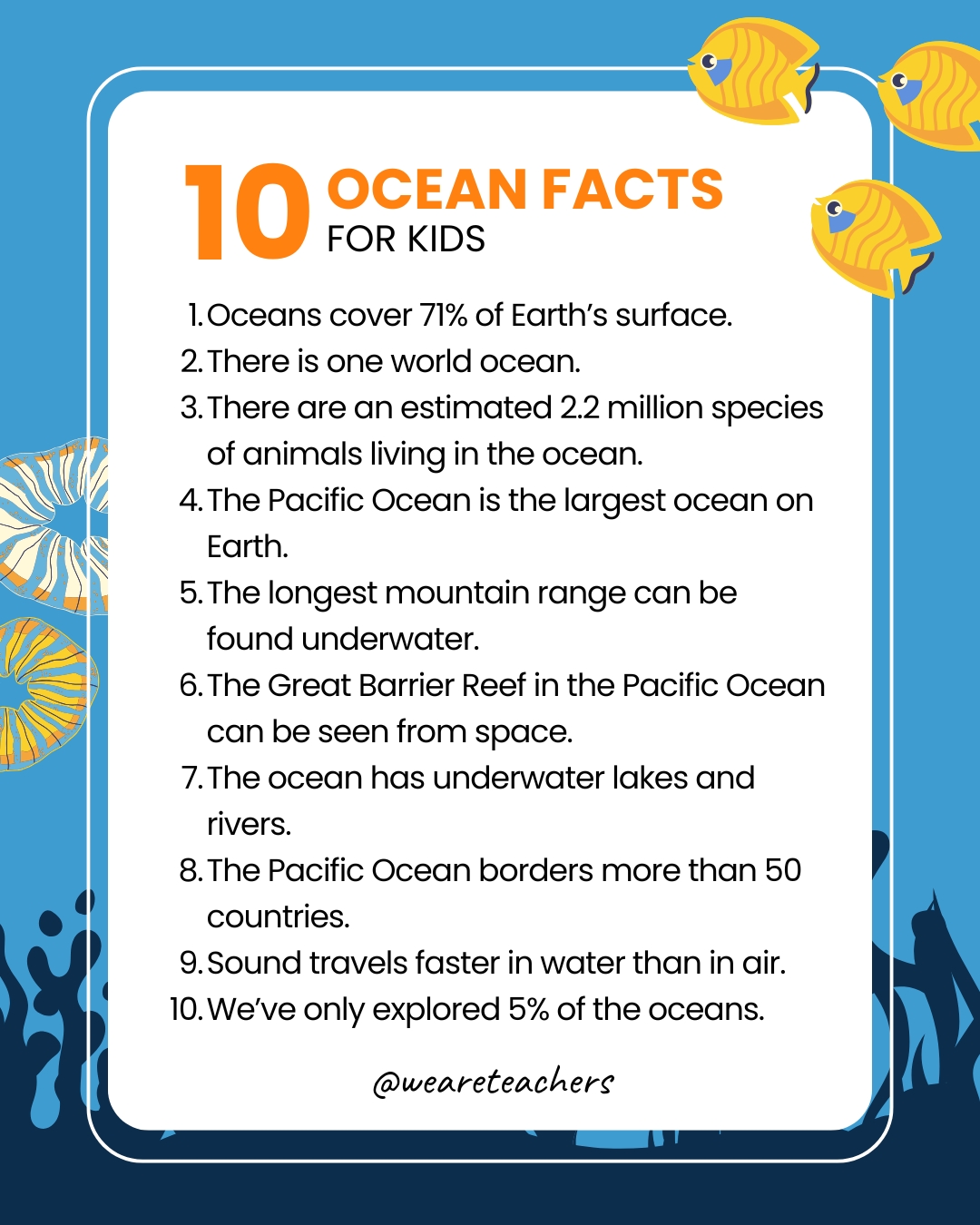
The oceanic ocean is a vast expanse of water covering more than 70% of our planet, teeming with life and mysteries yet to be uncovered. Among its many features, the oceanic ocean holds a unique geological marvel known as oceanic ridges. These ridges, found beneath the surface of the seas, are essential to understanding not only the ocean's composition but also the Earth's geological history and processes. As we delve deeper into the world of oceanic ridges, we will explore their formation, characteristics, and significance within the broader scope of Earth's geology.
Covering thousands of kilometers across various ocean basins, oceanic ridges play a crucial role in the processes that shape our planet. They form where tectonic plates diverge, allowing magma to rise from the mantle to create new oceanic crust. The continuous cycle of creation and destruction at these ridges is vital for sustaining life within the oceans and maintaining the balance of the Earth's geology. In this article, we will provide a detailed overview of oceanic ridges, their fascinating attributes, examples of major ridges, and some captivating facts that highlight their importance.
Index Content
What are Oceanic Ridges?
Oceanic ridges are underwater mountain ranges formed by plate tectonics, specifically at divergent boundaries where tectonic plates separate. These ridges are characterized by a series of volcanic activity and seismic occurrences, resulting in various unique geological features. Essentially, oceanic ridges represent the upper surface of an active system of tectonic and magmatic processes that continuously reshape the ocean floor.
The Formation of Oceanic Crust
The creation of oceanic crust at oceanic ridges begins with the movement of tectonic plates. As these plates diverge, magma from the Earth’s mantle rises to fill the gap, cooling quickly upon contact with seawater. This process leads to the formation of basaltic rock, which makes up the majority of the oceanic crust. Over time, as the plates continue to move, new crust is continually added, pushing older rock away from the ridge and contributing to the dynamic balance of oceanic crust formation.
Characteristics of Oceanic Ridges
One of the defining features of oceanic ridges is their symmetrical profiles, which often display a central rift valley flanked by elevated ridges. These valleys form due to the stretching and thinning of the crust as tectonic plates move apart. The characteristics of oceanic ridges can also vary significantly based on the spreading rates of the tectonic plates involved. Slow-spreading ridges tend to have more pronounced rift valleys and rugged terrain, while fast-spreading ridges appear smoother and are often devoid of major valleys.
Examples of Major Oceanic Ridges
- Mid-Atlantic Ridge: One of the most studied oceanic ridges, this ridge runs down the center of the Atlantic Ocean and is famous for its extensive volcanic activity and unique hydrothermal vent ecosystems.
- East Pacific Rise: Located in the eastern Pacific Ocean, this ridge is known for its fast spreading rate, leading to smoother tops and diverse marine ecosystems.
- Indian Ridge: This ridge system extends through the Indian Ocean and features a complex network of ridges and fractures.
The Role of Spreading Rates
The rate at which tectonic plates diverge significantly affects the characteristics of oceanic ridges. Spreading rates can vary from as slow as 1 cm (0.4 inches) per year to as fast as 15 cm (6 inches) per year. Slow-spreading ridges exhibit more rugged terrain due to greater tectonic activity, while fast-spreading ridges tend to be smoother and more uniformly developed. This variation also plays a crucial role in the distribution of hydrothermal vents and the ecosystems they support, influencing marine life and biodiversity.
Geological Features Associated with Oceanic Ridges
Oceanic ridges are not only characterized by their topography, but they also feature a series of other geological attributes, such as transform faults, fracture zones, and hydrothermal vents. Transform faults occur where two segments of the ridge slip past each other, leading to seismic activity. Hydrothermal vents, on the other hand, result from seawater percolating through the oceanic crust, heating up due to magma below, and then exuding hot water rich in minerals back into the ocean, forming unique ecosystems.
The Importance of Oceanic Ridges in Earth's Geology
Oceanic ridges play a vital role in Earth's geology by functioning as sites of new crust formation, influencing oceanic circulation, and affecting global climate patterns. The process of seafloor spreading contributes to the recycling of materials, enriching the oceanic crust and facilitating nutrient exchange within marine ecosystems. Furthermore, oceanic ridges serve as important indicators of tectonic activity, providing scientists with valuable insights into plate movements and geological processes.
Fascinating Facts about Oceanic Ridges
- Did you know that the Mid-Atlantic Ridge is the longest mountain range in the world, stretching approximately 16,000 kilometers (10,000 miles)?
- Oceanic ridges are home to some of the most extreme environments on the planet, including hydrothermal vents that support diverse ecosystems entirely independent of sunlight.
- As the oceanic crust forms, it slowly ages and moves away from the ridge, ultimately being recycled back into the Earth's mantle at subduction zones.
Conclusion
In conclusion, oceanic ridges are a fundamental aspect of the oceanic ocean, representing not only the dynamic processes that shape our planet but also supporting a wealth of marine life and geological diversity. From the intricate features of the Mid-Atlantic Ridge to the unique ecosystems of hydrothermal vents, oceanic ridges remain a topic of fascination and importance in the study of Earth's geology. Understanding these underwater mountain chains allows us to appreciate the complexity of the oceanic ocean and its critical role in maintaining the balance of life and geological processes. The ongoing exploration of oceanic ridges promises to provide even further insights into the mysteries of our planet, revealing the intricate connections between the ocean, geological activity, and life itself.
Did you find this article helpful? Oceanic Ocean: Description, Examples, and Fascinating Facts See more here Education.

Rockets: Mastering Thrust Vector Control in Defense Systems

Virginia: Exploring Its Humid, Temperate, Coastal Climate

Light Transmission Microscope: Unlocking Nano-World Secrets

What does fiduciary mean in terms of financial duties

Content: Definition and Meaning Explained for Clarity

What defines the beliefs and practices of the Satanic Temple
Leave a Reply
Related posts