

Partisans: The Yugoslavian Resistance Force in WWII Explored
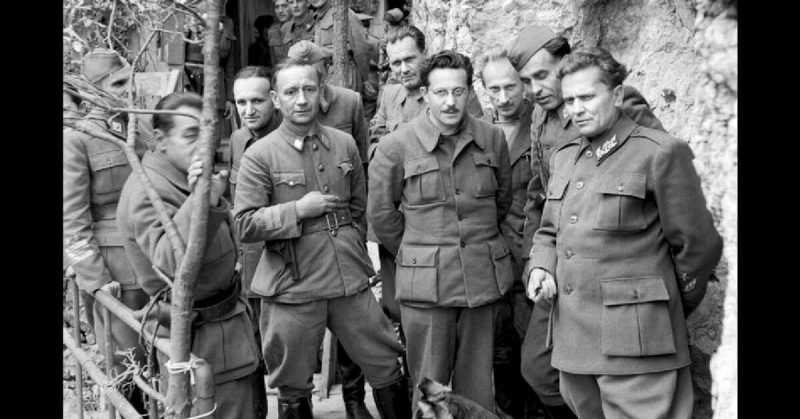
The partisans were a pivotal force during World War II, representing the collective resistance of Yugoslavia against the Axis powers and internal adversaries. Led by the Communist Party of Yugoslavia, this guerrilla movement emerged in response to the brutal invasions by Nazi Germany and Fascist Italy, which began in April 1941. The actions and ideology of the partisans not only challenged foreign occupation but also countered local collaborators and rival groups such as the royalist Chetniks. More than just a military effort, the partisan movement sought to introduce a socialist framework to post-war Yugoslavia, reflecting deep social and political aspirations among the populace.
The complexity of the partisan struggle unfolded against a backdrop of national turmoil and ideological divisions. Led by influential figures such as Josip Broz Tito, the partisans engaged in daring acts of sabotage and guerrilla warfare, significantly impacting the course of the war in southeastern Europe. Their proclamation of a liberated Užice Republic marked a significant milestone in their resistance, highlighting their ambition and resolve. This article explores the formation, growth, and eventual legacy of the partisan movement, delving into its historical context, strategic approaches, and profound implications for both Yugoslavia and the broader geopolitical landscape of the time.
Index Content
- Historical Context of WWII in Yugoslavia
- The Formation of the Partisan Movement
- Leadership of Josip Broz Tito
- Key Strategies and Tactics of the Partisans
- Initial Challenges and Setbacks
- The Proclamation of the Užice Republic
- Conflicts with Chetniks and Local Collaborators
- The Establishment of the People’s Liberation Army (PLA)
- The Significance of the Battle of Sutjeska
- Growth and Expansion of the Partisan Force
- The Liberation of Belgrade
- Transition to the Yugoslav People's Army (YPA)
- The Role of Partisans during the Cold War
- Lasting Impact on Post-War Yugoslavia
- Conclusion: Legacy of the Partisan Movement
Historical Context of WWII in Yugoslavia
The invasion of Yugoslavia in April 1941 by Axis powers was a cataclysmic event with far-reaching consequences. The German blitzkrieg swiftly overwhelmed the Yugoslav military and government, resulting in the disintegration of the country into occupied territories. As chaos ensued, various factions emerged, each with their own vision of Yugoslavia's future. Among these, the partisans, backed primarily by the Communist Party, sought to unite anti-fascist elements against the occupiers while advocating for a radical overhaul of the existing socio-political order.
The surrender of the Royal Yugoslav Army led to the establishment of a brutal occupation regime. Nazi Germany implemented severe repression, targeting not only military targets but also civilians, especially Jews and Romani people. The brutality of the occupation galvanized resistance among disparate groups, but complex rivalries soon surfaced. The Chetniks, led by Draža Mihailović, positioned themselves as defenders of the royalist cause, striving to maintain control and avoid direct confrontation with the occupiers, leading to a dichotomy that would shape the resistance landscape.
The Formation of the Partisan Movement
The partisan movement formally began to take shape following the chaotic early months of the occupation. With increasing discontentment towards both foreign invaders and local collaborators, the Communist Party of Yugoslavia began organizing armed resistance groups in rural areas, particularly in Bosnia and Slovenia. Under the auspices of the 1941 Anti-Fascist Council for the National Liberation of Yugoslavia (AVNOJ), the partisans sought legitimacy and coordination among various resistance factions.
Key early operations included sabotage missions targeting Axis supply lines and communication routes. The flexibility and mobility of the partisans allowed them to adapt quickly, striking hard before retreating into the mountainous terrain. This style of warfare not only disrupted Axis operations but also endeared the partisans to local communities, who began providing support in the form of food, shelter, and recruits.
Leadership of Josip Broz Tito
At the forefront of the partisan movement was Josip Broz, more commonly known as Tito. His remarkable leadership was instrumental in unifying the fragmented resistance groups and establishing a coherent strategy for the fight against both foreign occupiers and rival factions. Tito's vision was not merely military; it encompassed a broader socialist ideology aimed at transforming Yugoslav society after the war.
Tito's charismatic personality and strategic acumen helped to build a cohesive command structure within the partisan ranks. He effectively utilized propaganda to bolster morale and attract new recruits, emphasizing the partisans' role as liberators rather than mere fighters. Under his leadership, the partisans began to operate more effectively, coordinating larger operations that began to draw attention both locally and internationally.
Key Strategies and Tactics of the Partisans
The partisans implemented a mixture of guerrilla warfare and conventional military tactics, which proved effective in the rugged terrain of Yugoslavia. Their strategies included surprise attacks, ambushes, and sabotage operations targeting German supply lines, equipment, and infrastructure. These tactics not only impeded the enemy’s war effort but also instilled a sense of hope and resistance among the local population.
Additionally, the partisans focused on the creation of a network of local councils which played a crucial role in governance and resource distribution, thus deepening their ties with the civilian population. This grassroots approach enabled them to build a strong support base and provide a semblance of order in the chaotically occupied territories. Consequently, their ability to adapt and evolve their strategies allowed the partisans to survive and thrive amidst adversities.
Initial Challenges and Setbacks
Despite their initial successes, the partisans faced considerable challenges early in their campaign. Internal divisions, lack of resources, and brutal reprisals from occupying forces created a precarious environment. The partisan movement struggled with issues of coordination and unity, occasionally leading to infighting that undermined their efforts.
The fall of the Užice Republic in late 1941 stands out as an early setback for the partisans. Though it briefly represented a significant victory for the resistance, the combined offensive of German and Italian forces, alongside local collaborators, forced the partisans to retreat. This moment highlighted the reality that their struggle would not be easy, and they would need to bolster alliances and strategies to overcome the daunting challenges ahead.
The Proclamation of the Užice Republic
In September 1941, the partisans successfully proclaimed the Užice Republic, marking a remarkable feat in their resistance against Nazi occupation. This was not merely a military triumph; it represented a significant step towards establishing a government aligned with socialist ideals and anti-fascist sentiments. The republic served as a model for the kind of post-war society the partisan movement envisioned.
During its brief existence, the Užice Republic attempted to establish institutions of governance and provide services to the local population, including education and health care. However, the republic's vulnerability to external attack eventually led to its downfall, serving as a lesson for the partisans about the importance of solidifying support among various factions and preparing for inevitable clashes with stronger adversaries.
Conflicts with Chetniks and Local Collaborators
The partisans were not the only resistance group operating in Yugoslavia; they faced intense conflicts with the Chetniks, a royalist faction led by Draža Mihailović. The ideological rift between these two groups was stark: while the partisans pursued a radical socialist agenda, the Chetniks aimed to restore the monarchy and preserve traditional social structures. This conflict marred the resistance efforts, with both groups occasionally engaging in violent confrontations.
While the Chetniks often operated under the guise of anti-fascism, their strategies included negotiations with Axis forces, which the partisans vehemently opposed. This divergence in ideology not only fueled infighting but also complicated the overall resistance movement against the Axis powers. The struggle for power in the political and military spheres led to significant bloodshed and a fractured resistance.
The Establishment of the People’s Liberation Army (PLA)
In order to consolidate their military efforts and formalize their command structure, the partisans established the People’s Liberation Army (PLA). This development marked a critical point in the evolution of the partisan movement, as it facilitated better coordination and organization of their military campaigns. The PLA operated under a clearly defined command, allowing the partisans to execute larger-scale operations against Axis forces.
The establishment of the PLA also enabled the partisans to improve their defenses and training, significantly enhancing their combat effectiveness. As the PLA expanded, it attracted more recruits who were inspired by the idea of fighting against oppression and working towards a socialist state. This growth in numbers would ultimately empower the partisans to achieve significant victories in the coming years.
The Significance of the Battle of Sutjeska
The Battle of Sutjeska, fought in May and June 1943, emerged as a defining moment for the partisans. Facing overwhelming odds against Axis forces, including German troops and their allies, the partisans demonstrated remarkable resilience and tactical ingenuity. Although they suffered heavy losses, the battle served to solidify the partisan resolve and showcased their ability to mount significant resistance against superior forces.
This engagement marked a turning point in international perception of the partisan efforts. The heroism exhibited during this brutal confrontation prompted increased Allied support, significantly altering the dynamics of the larger war. The victory at Sutjeska was pivotal, as it not only reinforced the legitimacy of the partisans but also encouraged more individuals to join their ranks, leading to substantial growth in the PLA.
Growth and Expansion of the Partisan Force
Following the Battle of Sutjeska, the partisans experienced rapid growth and transformation. By the end of 1943, their numbers swelled to approximately 300,000 troops, reflecting widespread popular support for their cause. This surge in strength allowed the PLA to undertake ambitious military campaigns, liberating large swathes of territory from Axis control.
As the military and political influence of the partisans grew, so too did their administrative responsibilities. They established a network of liberated zones, implementing socialist policies and fostering local governance structures. This expansion was marked by a two-fold approach: military success on the battlefield and simultaneous socio-political development, establishing the partisans as a formidable force within Yugoslav politics.
The Liberation of Belgrade
The liberation of Belgrade in October 1944 was a landmark achievement for the partisans and represented the culmination of years of resistance against occupation. As they overcame Axis defenses and liberated the capital, the partisans garnered acclaim and support from the population, as well as recognition from Allied forces. This victory was symbolic, as Belgrade had been a center of national identity and struggle throughout the war.
Following the liberation, the partisans promptly set about consolidating their authority over Belgrade, establishing order and implementing their socialist agenda. This new direction would characterize the post-war years in Yugoslavia, as the partisans transitioned from resistance fighters to key political leaders in the newly liberated state.
Transition to the Yugoslav People's Army (YPA)
As World War II came to an end, the partisans formally transitioned from a resistance force to the Yugoslav People’s Army (YPA) on March 1, 1945. This transition marked a critical juncture, as the YPA became responsible for the defense and organization of the newly formed socialist federal state of Yugoslavia. The partisans who had fought valiantly against occupation were now tasked with the stabilization and governance of the nation.
With Tito at the helm, the YPA adopted a nonaligned defense strategy that set the stage for Yugoslavia's unique position during the Cold War. This strategic posture allowed Yugoslavia to maintain independence from both NATO and Warsaw Pact countries, emphasizing its role as a partner in the nonaligned movement and shaping its post-war foreign policy.
The Role of Partisans during the Cold War
In the wake of World War II, the legacy of the partisan movement continued to impact Yugoslavia. The YPA paid homage to their partisan heritage, ensuring that the values of liberation, resistance, and socialism remained central to the military institution. Under Tito's leadership, the YPA maintained a policy of non-alignment, positioning itself as a leader among countries resisting the division of the Cold War era.
Despite internal challenges, the YPA, influenced by its partisan roots, became an integral part of Yugoslavia's domestic and foreign policy strategies. The enduring principles of self-determination and social justice that the partisans had championed helped to forge a unique national identity, balancing between East and West during a time of geopolitical turmoil.
Lasting Impact on Post-War Yugoslavia
The partisan movement left an indelible mark on Yugoslavia, shaping its political landscape long after World War II. The socialist policies implemented by the partisans were instrumental in the reconstruction of a war-torn nation, catalyzing social and economic reforms aimed at fostering equality and communal ownership. The narratives of resistance and liberation became deeply entrenched in the national identity.
However, the legacy of the partisans was complex. While they contributed to a unified Yugoslavia, the national tensions that surfaced in the subsequent decades highlighted the fractures that existed beneath the surface. As ethnic groups sought autonomy amid the socialist framework established by the partisans, conflicts erupted, ultimately leading to the disintegration of Yugoslavia in the 1990s. This historical trajectory underscores the challenges of maintaining unity in a diverse society.
Conclusion: Legacy of the Partisan Movement
In sum, the partisan movement during World War II was a defining element of Yugoslav history, characterized by its resistance against Axis powers and the pursuit of socialist ideals. The courage and determination of the partisans, led by Tito, not only reshaped the political landscape of Yugoslavia but also inspired subsequent generations in their quest for social justice and self-determination. The legacy of the partisans remains relevant to contemporary discussions concerning national identity, resistance, and the complex interplay of ideologies in a multi-ethnic society.
Did you find this article helpful? Partisans: The Yugoslavian Resistance Force in WWII Explored See more here Education.

What are Cartier's key routes, voyages, and accomplishments

Painting the Legacy of Vincent van Gogh: An Artistic Journey

Rally Legal: Understanding Its Definition and Meaning

Foldings: Understanding the Definition and Meaning of Folded

What was trench warfare like on the Western Front in 1914

Blue Light Energy: Definition, Optics, and Intriguing Facts
Leave a Reply
Related posts