

What is the definition, history, and significance of silk
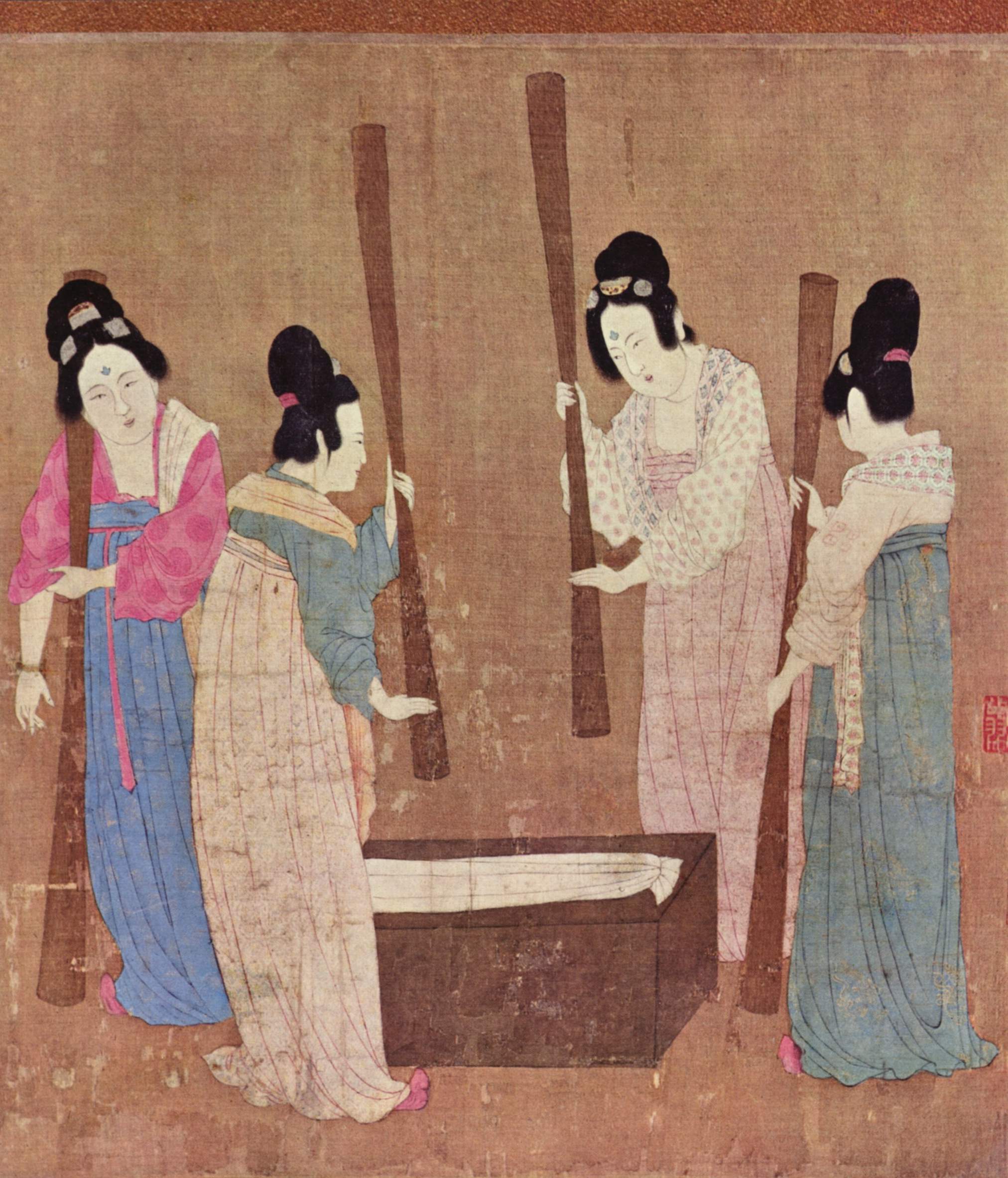
Silk, an extraordinary and lustrous fabric, has played a pivotal role in shaping human history and culture. Produced by specific insects, most notably the silk moth's larvae, silk has been revered for its beauty, durability, and versatility. For millennia, it has adorned royal courts, elevated prestige, and served as a significant component in trade and cultural exchanges across civilizations.
The significance of silk extends far beyond its luxurious feel. From its origins in ancient China to its widespread influence in global trade networks, the fabric symbolizes economic prowess, artistic ingenuity, and cultural identity. This article delves into the definition, history, and significance of silk, illuminating its journey from a local Chinese commodity to an integral fabric of the world's cultural tapestry.
Index Content
- Definition of Silk
- The Origins of Silk Production
- The Historical Development of Sericulture
- Silk in Ancient China: Legends and Advances
- The Role of Silk in the Chinese Economy
- Techniques of Silk Weaving Through the Dynasties
- Silk and the Silk Road: Cultural Exchanges and Trade
- The Use of Silk in Diplomacy and Luxury
- The Artistry of Silk in the Ming and Qing Dynasties
- Significance of Silk in Cultural Identity and Status
- Conclusion: The Enduring Legacy of Silk
Definition of Silk
Silk is defined as a natural protein fiber produced by various insect larvae, especially those of the bombyx mori moth. These insects spin a protective cocoon around themselves made entirely of silk threads. The process involves extracting long strands from these cocoons, which can then be spun into threads and woven into fabric. Due to its unique properties of smoothness, strength, and luster, silk is often regarded as one of the most luxurious fibers available. Its versatility allows it to be used in an array of products, including clothing, accessories, and home textiles.
The Origins of Silk Production
The origins of silk production can be traced back thousands of years to ancient China, where evidence suggests that sericulture—the cultivation of silkworms—began around 2700 BCE. According to legend, Empress Leizu, the wife of the mythical Yellow Emperor, discovered the secrets of silk after a cocoon fell into her tea, unraveling into a delicate thread. This serendipitous moment marked the beginning of what would become a flourishing industry.
As sericulture evolved, the Chinese developed sophisticated methods to rear silkworms and harvest silk. These practices were closely guarded, contributing to China's monopoly over the silk trade for centuries. The intricate knowledge surrounding the cultivation and processing of silkworms formed a crucial part of the Chinese agricultural economy, affecting domestic markets and international trade.
The Historical Development of Sericulture
The historical development of sericulture saw significant advancements during the Zhou and Han dynasties. The expansion of sericulture during the Han dynasty allowed for increased production levels, which in turn stimulated the growth of trade routes, famously known as the Silk Road, that facilitated not just trade in silk, but also in culture and ideas between East and West.
During the Tang and Song dynasties, silk became a sought-after luxury item. China devised advanced weaving techniques, leading to the creation of exquisite silk fabrics that captivated buyers from across the globe. The art of sericulture was refined and taught, with families often passing down their expertise through generations, ensuring the continued prosperity of silk production as a crucial economic activity.
Silk in Ancient China: Legends and Advances
In ancient China, silk was more than just a luxurious fabric; it was steeped in legends and cultural significance. One enduring legend is that of Leizu, who, after her discovery, taught others to cultivate silkworms and produced silk fabric. This narrative not only highlights the mythical elements surrounding silk but also emphasizes its vital role in Chinese agricultural history.
Advances in weaving techniques, such as kesi, emerged during this period, producing intricate tapestries that showcased the artistic mastery of Chinese artisans. The aesthetic and practical applications of these fabrics were celebrated in literature and art, solidifying the place of silk in the cultural consciousness of ancient China and influencing fashion and luxury across the region.
The Role of Silk in the Chinese Economy
Silk played a crucial role in the economic development of ancient China, functioning as both a valuable trade commodity and a symbol of wealth and status. Its production became an essential economic activity in rural areas, providing livelihoods for countless families involved in sericulture and weaving.
The demand for silk grew exponentially with the expansion of trade routes, particularly during the Han dynasty, when it began to be exported to regions far beyond China's borders. The trade of silk significantly influenced the Chinese economy, as it became a vital source of revenue through the exchange of goods and fostering relationships with other cultures.
Techniques of Silk Weaving Through the Dynasties
Throughout China's history, numerous silk weaving techniques evolved, each reflecting the cultural and artistic advancements of their respective dynasties. During the Han dynasty, advances in technology made it possible to weave silk into intricate patterns, resulting in luxurious garments that were cherished by the elite.
In subsequent dynasties, such as the Tang, Song, Ming, and Qing, skilled artisans developed additional techniques such as tie-dyeing and brocade weaving. These methods elevated silk to a form of art, transforming it into canvases for beautiful designs and motifs that communicated cultural narratives and symbolism, establishing silk as a significant marker of status and taste.
Silk and the Silk Road: Cultural Exchanges and Trade
The Silk Road, a historical network of trade routes, played an instrumental role in disseminating silk and facilitating cultural exchanges across East and West. The trade of silk not only enriched the economies of the regions involved but also fostered the sharing of ideas, technologies, and cultural practices.
Merchants traversing the Silk Road transported silk to distant lands, where it was highly prized among nobility and affluent classes. In turn, this enabled the infusion of foreign influences into Chinese culture, shaping artistic expressions seen in the motifs and patterns of silk textiles produced in this era.
The Use of Silk in Diplomacy and Luxury
Silk emerged as a pivotal element in diplomacy, where it often served as a luxurious gift among leaders and emissaries. The significance of silk gifts was not only a gesture of goodwill but also a statement of the giver's wealth and power. Throughout various dynasties, leaders recognized the diplomacy of silk as an effective means to establish and maintain political alliances.
With its connection to status, silk became a representation of luxury in royal courts and among the affluent. Elaborate silk garments adorned with exquisite embroidery and embellishments became a means of showcasing one's taste and wealth, solidifying silk's place within the hierarchy of luxury goods.
The Artistry of Silk in the Ming and Qing Dynasties
The Ming and Qing dynasties reignited a renaissance in silk artistry, with artisans mastering intricate weaving and dyeing techniques, resulting in stunning fabrics characterized by vibrant colors and complex designs. These periods saw the flourishing of brocade and gauze silk that was adorned with elaborate patterns, often featuring auspicious symbols rich in cultural meaning.
During this time, the production of silk was closely interwoven with societal rituals, promoting garments that specified rank and social status. The intricate designs in silk textiles not only demonstrated the artisan’s skill but also became markers of cultural identity, making them essential to various ceremonial occasions.
Significance of Silk in Cultural Identity and Status
The cultural significance of silk transcended mere aesthetics; it represented cultural identity and societal structures within ancient Chinese civilization. Different types of silk garments indicated rank, profession, and social status. This established a connection between an individual's attire and their identity amidst the broader cultural landscape.
Furthermore, silk played a crucial role in various rituals and ceremonies, often being used in religious practices, royal events, and weddings. Such applications underscored the fabric's importance not just in daily life but also in the metaphysical and ceremonial aspects of society.
Conclusion: The Enduring Legacy of Silk
The legacy of silk spans centuries and continues to influence contemporary fashion, art, and culture. As one of the most cherished natural fibers in history, silk serves as a testament to the ingenuity of ancient practices in sericulture and weaving. Its story encapsulates themes of cultural exchange, trade, diplomacy, and artistic expression, making it an enduring symbol of luxury and craftsmanship.
As we explore modern interpretations and uses of silk, it remains a culturally rich textile that captures the essence of human creativity and effort. Today, silk continues to evoke admiration and respect, preserving its significance through various creative and commercial avenues while celebrating its ancient heritage as a timeless fabric.
Did you find this article helpful? What is the definition, history, and significance of silk See more here Education.

What are Cartier's key routes, voyages, and accomplishments

Painting the Legacy of Vincent van Gogh: An Artistic Journey

Rally Legal: Understanding Its Definition and Meaning

Foldings: Understanding the Definition and Meaning of Folded

What was trench warfare like on the Western Front in 1914

Blue Light Energy: Definition, Optics, and Intriguing Facts
Leave a Reply
Related posts