

What’s the significance of London’s population and density
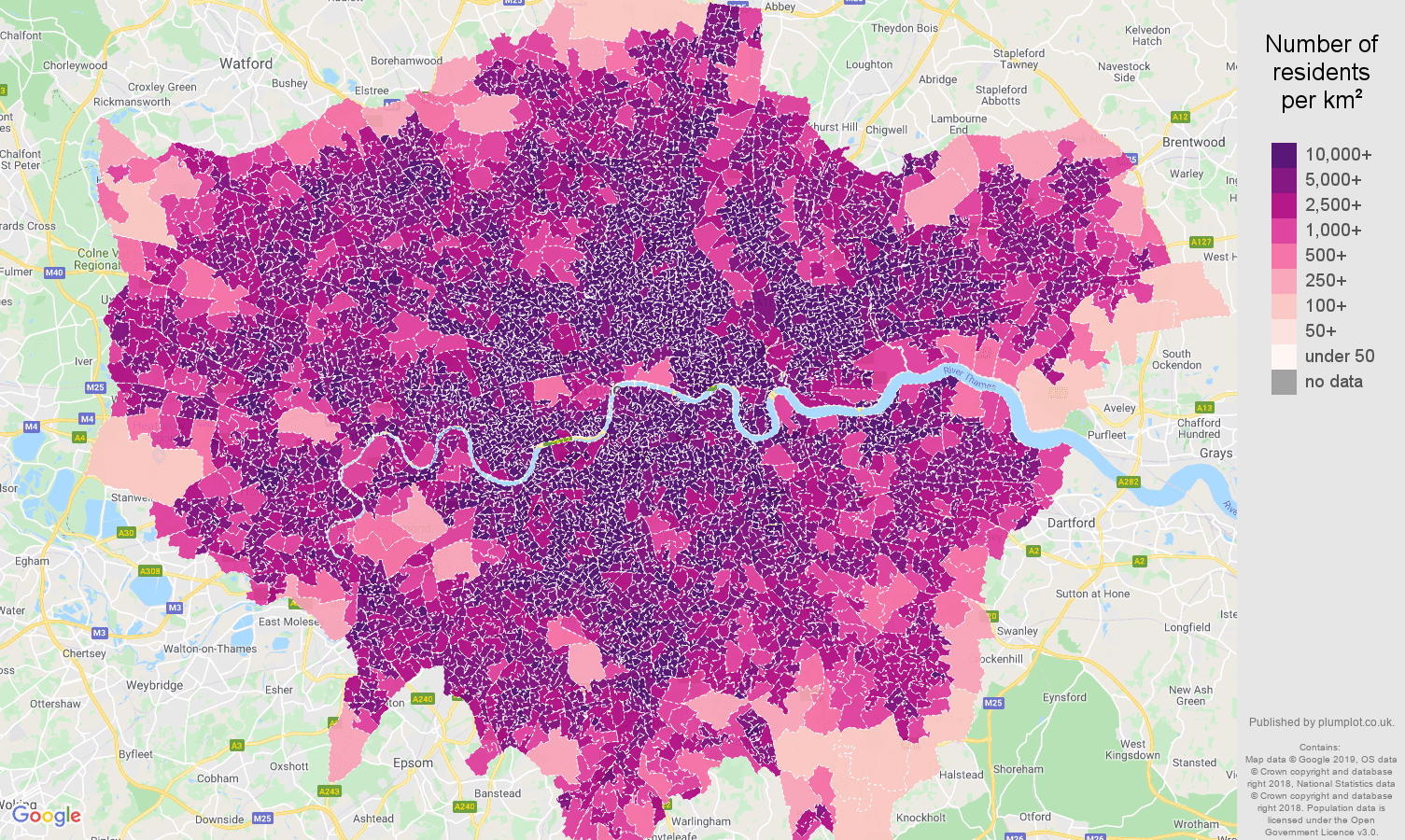
London, known as one of the most exciting and vibrant cities in the world, has a unique demographic profile that sets it apart from other major urban centers. The significance of London’s population and density is not only a matter of numbers but also a reflection of the cultural, economic, and social dynamics that define the capital city of the UK. With approximately one-seventh of the United Kingdom's population residing in this metropolis, London serves as a hub of diversity, opportunity, and innovation. Its population density, which is among the highest in Europe, plays a critical role in shaping urban policies and development plans.
Understanding London’s **spectrum** of demographic characteristics is essential for grasping how the city's residents interact with its infrastructure, resources, and opportunities. The challenges that arise from this high density necessitate careful urban planning and development strategies to accommodate the growing population while ensuring sustainability and quality of life. Furthermore, London’s population trends are mirrored in various areas such as housing availability, community dynamics, and socioeconomic factors, which influence everything from public transport to local business prosperity.
Index Content
- Overview of London's Population and Density
- The Importance of Population Distribution
- Comparing London's Density with Other Major Cities
- The Contrast Between Inner and Outer London Boroughs
- Housing Types: Houses vs. Apartments
- Architectural Diversity in London
- Implications of Population and Density on Urban Planning
- Conclusion: The Future of London’s Population Dynamics
Overview of London's Population and Density
As of 2023, London’s population stands at over **nine million**, making it not only the largest city in the UK but also one of the most populous in Europe. This significant figure contributes to a remarkable population density of around **5,700 people per square kilometer**. In comparison with other major cities like Paris and Tokyo, London has a similar or even greater density in certain areas, underlining the city's urban nature and the challenges associated with such concentrated living conditions.
The distinction between **Inner and Outer London** is crucial when discussing population density. Inner London, which includes areas such as the **City of London**, Kensington, and Chelsea, boasts a much higher density than the Outer boroughs. For example, boroughs like Harrow and Croydon experience much lower density, primarily due to more spacious residential developments and suburban characteristics.
The Importance of Population Distribution
The distribution of London's population holds immense significance for urban planners and policymakers. Understanding where people live helps in addressing critical issues like housing supply, public services availability, and social infrastructure development. With key financial institutions such as **HSBC New Hyde Park** playing a vital role in the local economy, the understanding of population distribution aids in determining where to best locate essential services and businesses.
In densely populated areas, the demand for housing typically outstrips supply, leading to rising property prices and an increased need for affordable housing solutions. This situation has sparked discussions around urban regeneration projects and the potential for creating more residential spaces while balancing the preservation of existing neighborhoods and the historical character of the city.
Comparing London's Density with Other Major Cities
When juxtaposed with other prominent cities worldwide, London's density reveals a narrative of urban growth and challenges. Cities like New York, Hong Kong, and Paris provide a comparative backdrop to understand how London’s density influences the day-to-day lives of its residents. For example, New York City has an overall density of more than **10,000 people per square kilometer**, surpassing London’s density metrics, while **Tokyo’s** sprawling metropolitan area exhibits a density that varies significantly between the city and its suburbs.
These comparisons illuminate unique challenges London faces, such as managing transportation infrastructure and creating inclusive urban spaces that cater to diverse communities. The experience of other cities can offer insights into effective policies for dealing with population density, particularly in the realms of housing and efficient public transport systems.
The Contrast Between Inner and Outer London Boroughs
Inner London boroughs are characterized by vibrancy, cultural attractions, and a fast-paced lifestyle, contrasting sharply with the more suburban nature of Outer London. Areas like Camden, Islington, and Southwark are bustling with activity, amenities, and a higher concentration of businesses. However, these boroughs also face challenges such as **gentrification**, which can displace long-term residents and price them out of the housing market.
Conversely, Outer London boroughs, like Croydon and Barking and Dagenham, are often more affordable but might lack some of the cultural and economic amenities experienced in Inner London. This divide underscores the importance of equitable resource distribution and highlights the need for policies that facilitate accessibility to services, education, and employment opportunities across all boroughs.
Housing Types: Houses vs. Apartments
The housing landscape in London reflects its diversity and historical development. A larger proportion of London’s housing stock consists of traditional **houses**, particularly **terraced homes**, rather than high-rise apartments. This preference is indicative of British residential values that favor more spacious living conditions, especially for families residing in suburban areas. In contrast, Inner London showcases a mix of flats and apartments, often in converted Victorian buildings or modern developments.
As the demand for housing continues to rise, the conversation around building more apartments is gaining momentum. Solutions must balance the need for more living spaces with preserving the distinctive character of historic neighborhoods. Therefore, the exploration of different housing types is crucial for accommodating London's growing population.
Architectural Diversity in London
Architecturally, London is a melting pot, reflecting centuries of historical evolution and a spectrum of building styles. From the **historic** charm of its medieval structures to the cutting-edge designs like **The Shard** and **20 Fenchurch Street**, the city's skyline narrates a story of growth and adaptation. This diversity adds to the cultural fabric of the city, attracting tourists and residents alike.
The contrast between residential and commercial architecture also illustrates how London’s urban landscape has developed. Some neighborhoods retain their **Georgian** and **Victorian** character, while others feature modernistic designs that cater to the needs of today’s denizens. This eclectic mix poses both challenges and opportunities for urban planning, especially in ensuring that new developments blend harmoniously with existing structures.
Implications of Population and Density on Urban Planning
The implications of London's population density extend beyond mere numbers; they significantly influence **urban planning and development strategies**. The sheer number of people residing in a finite area necessitates innovative solutions to transportation, waste management, and public safety. Furthermore, **London's 2050 strategy** aims to house millions more while tackling climate change and advancing sustainability.
As London's **population dynamics** evolve, urban planners face the challenge of ensuring that the necessary infrastructure keeps pace with growth. Initiatives for green spaces, accessible public transport, and community amenities become even more vital in maintaining a livable urban environment.
Conclusion: The Future of London’s Population Dynamics
In conclusion, the significance of London’s population and density is a multifaceted subject with profound implications for the city’s future. The stark contrasts between Inner and Outer London, the architectural variety, and the distinct housing types all play critical roles in shaping the daily lives of billions globally. As London continues to grow, its urban planners must devise and implement strategies that not only accommodate the increasing population but also promote a cohesive, vibrant, and sustainable city environment.
The interplay of population density with business centers such as **HSBC New Hyde Park** can inform projections about economic activity and the demand for services, further supporting the city's capacity for growth. As we look toward the future, understanding the dynamics of London's population will remain crucial in cultivating a socio-economically balanced metropolis that continues to thrive amid challenges and opportunities.
Did you find this article helpful? What’s the significance of London’s population and density See more here Education.

What are Guangdong Development Bank's key highlights and history

London's Birkbeck: A Unique University Experience Awaits

Hypothesis: Definition, Meaning, and Variations Explained

What are Cartier's key routes, voyages, and accomplishments

Painting the Legacy of Vincent van Gogh: An Artistic Journey

Rally Legal: Understanding Its Definition and Meaning
Leave a Reply
Related posts