

What is the Systems View of social dynamics and interdependence
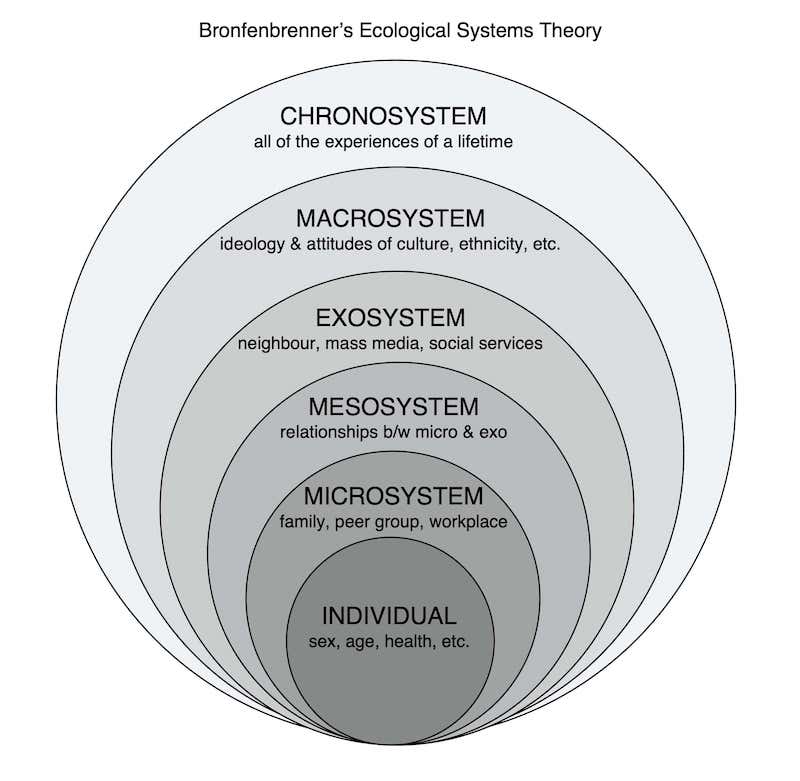
The systems view of social dynamics and interdependence offers a transformative perspective on how societies function. By understanding society as a complex interplay of various elements, including individuals, institutions, and cultural beliefs, we gain insights into the ways these components interact to form a cohesive whole. This approach allows us to analyze social behaviors, structures, and processes while recognizing the inherent interdependence of all societal elements.
Historically, the systems view has its roots in the 19th century, particularly through influential thinkers such as Herbert Spencer and Émile Durkheim. Their work laid the foundation for understanding social evolution and the intricacies of societal change. By examining their contributions and the broader implications of systems theory, we can better appreciate the significance of interdependence in social dynamics.
Index Content
- Historical Context of Systems Theory
- Key Figures: Herbert Spencer and Émile Durkheim
- Understanding Social Evolution
- The Concept of Structural Differentiation
- Complexity and Stability in Social Systems
- Functional Adaptability and Societal Change
- Limitations of Societal Steering
- Exploring Adaptive Possibilities in Social Systems
- Conclusion: The Importance of Systems View in Social Dynamics
Historical Context of Systems Theory
The systems view emerged as a response to the limitations of reductionist perspectives that often oversimplified complex social phenomena. This theoretical framework highlights how individual components of society do not operate in isolation but are instead part of an interconnected web of relationships. The roots of this theory can be traced back to the Industrial Revolution, where rapid societal changes prompted scholars to seek a deeper understanding of social structures and their dynamics.
During this time, scholars were increasingly aware of the need to navigate the complexities of modernity, and systems theory offered an innovative approach to comprehend the evolving nature of societies. The historical context surrounding the development of systems theory reveals the significance of understanding social phenomena not merely as static entities but as dynamic and evolving systems influenced by a myriad of factors.
Key Figures: Herbert Spencer and Émile Durkheim
Herbert Spencer
Herbert Spencer is often regarded as one of the founding figures of systems theory in social science. He introduced the idea of social evolution, proposing that societies progress in a manner akin to biological evolution, where the fittest societal structures would survive and thrive. Spencer's philosophy was deeply influenced by Charles Darwin's theory of natural selection, and he argued that societal change is driven by competition and adaptation. He viewed society as a living organism, suggesting that just like organisms, societies evolve and adapt through a process of differentiation.
Émile Durkheim
Émile Durkheim, another pivotal figure in the development of the systems view, focused on social cohesion and the functional aspects of societal elements. Durkheim argued that every component of society serves a purpose, contributing to the overall stability and functionality of the social system. He emphasized the importance of collective consciousness and how the interdependence of various social institutions helps maintain order within society. Durkheim's work highlighted the complexity of social interrelations and the necessity of understanding these dynamics to promote societal stability.
Social evolution refers to the processes through which societies adapt and change over time. The systems view plays a crucial role in understanding these processes by providing a framework for analyzing how societal components interact and influence one another. Rather than viewing social evolution as a linear progression towards a predetermined state of perfection, the systems perspective emphasizes the intricate and often tumultuous nature of change.
At its core, the systems view suggests that social evolution is driven by the need for adaptation in response to environmental challenges. As societies encounter new technologies, economic shifts, and cultural transformations, they must reorganize and adapt to maintain stability and functionality. This process of adaptation leads to structural differentiation, where societies become more complex, with specialized roles and institutions emerging to address specific needs.
The Concept of Structural Differentiation
Structural differentiation is a key concept in systems theory, referring to the process through which social institutions and roles become more specialized over time. In this context, the systems view emphasizes that as societies evolve, they develop distinct structures and functions that allow for more efficient management of complex social interactions.
This specialization is evident in modern societies, where we observe a wide range of institutions, such as schools, governments, and healthcare systems, each performing specialized roles. Structural differentiation enhances a society's ability to adapt to changing environments, as it allows for greater flexibility and responsiveness to new challenges. However, as societies become more differentiated, the interdependence among various components also increases, creating a web of complex relationships that must be navigated to understand social dynamics fully.
Understanding the relationship between complexity and stability is a central theme in the systems view. While one might assume that increased complexity leads to instability, systems theory suggests that complexity can actually enhance stability within social systems. This counterintuitive perspective arises from the idea that diverse and specialized components can work together to create a resilient social structure.
- Interconnectedness: The various elements of a social system are interconnected, meaning that changes in one area can have ripple effects throughout the entire system.
- Functional adaptability: As societies evolve, they become more adept at managing complexity through adaptive mechanisms, allowing for a balanced and stable social order.
- Self-regulation: Complex social systems often possess built-in regulatory processes that help maintain balance within the system despite external pressures.
This intricate balance between complexity and stability illustrates the importance of the systems view in analyzing social dynamics. By recognizing how social components interact and adapt, researchers can better understand the resilience and stability of societies in the face of change.
Functional Adaptability and Societal Change
The concept of functional adaptability is fundamental to the systems view, suggesting that societies have the ability to adjust their structures and processes in response to internal and external pressures. This adaptability is not only essential for survival but also crucial for growth and development over time.
- Responding to Change: Societies must continuously respond to shifting economic, political, and cultural landscapes. Adaptation can manifest through the reorganization of institutions or the emergence of new social norms.
- Innovation and Integration: In times of change, innovative solutions may arise. The integration of new practices or technologies can lead to enhanced societal functioning.
- Collective Action: Societies often mobilize collective action in response to challenges, demonstrating their ability to coordinate and adapt as a unified entity.
It is through this lens of functional adaptability that we can appreciate the dynamic nature of societal change. The systems view allows us to explore how societies navigate complexity and variation while working towards stability and coherence.
Limitations of Societal Steering
While the systems view provides valuable insights into social dynamics, it is also essential to recognize its limitations. One significant challenge is the notion of societal steering, where policymakers or leaders seek to direct or manipulate social processes. The inherent complexity of systems means that steering efforts are often met with resistance and unintended consequences.
First, the interdependence of various social components leads to unpredictable outcomes. When attempting to implement change, decision-makers may inadvertently trigger a series of reactions that hinder their original objectives. This unpredictability can create a sense of frustration among leaders who may feel ill-equipped to manage the intricacies of social systems.
Additionally, the systems view emphasizes that societies are not static entities; rather, they are dynamic and continuously evolving. As a result, attempts to impose rigid structures or control mechanisms may stifle the natural adaptability of societal components, ultimately undermining the very stability that leaders seek to achieve.
Despite the challenges associated with societal steering, the systems view encourages a more nuanced approach to understanding social dynamics. It promotes exploration of adaptive possibilities within social systems, acknowledging that capabilities for adjustment and change exist. By recognizing the inherent strengths of social systems, researchers and policymakers can identify ways to leverage these strengths for positive societal outcomes.
- Fostering collaboration: Encouraging collaboration among various stakeholders can enhance the capacity for collective problem-solving and innovation.
- Engaging communities: Involving local communities in decision-making processes fosters a sense of ownership, leading to more adaptive and context-sensitive solutions.
- Emphasizing resilience: Focusing on building resilience within societal structures can better equip communities to face challenges and adapt to change.
Through this lens, the systems view becomes a tool for harnessing collective strengths and welcoming complexity as a source of creativity and adaptation, positioning societies for sustainable development and growth.
The systems view of social dynamics and interdependence provides a rich framework for understanding the complexities of societies. By emphasizing the interconnectedness of social components, the value of structural differentiation, and the significance of functional adaptability, this perspective allows us to appreciate the dynamic nature of social systems.
As we navigate the challenges of today’s rapidly changing world, acknowledging the implications of the systems view is essential for researchers, policymakers, and social scientists. It encourages a deeper understanding of societal evolution, ultimately guiding efforts to foster resilience, adaptability, and sustainable development within our communities.
Did you find this article helpful? What is the Systems View of social dynamics and interdependence See more here Education.

How have locs evolved and faced cultural appropriation

Biography of Flynn: Exploring 'Sharp Objects' & Dark Places

UN Ambassador: Biography, Education, & Key Facts Revealed

What are key facts about McCarthy's life and McCarthyism

What are Guangdong Development Bank's key highlights and history

London's Birkbeck: A Unique University Experience Awaits
Leave a Reply
Related posts