

Warship Innovations: Aircraft, Armament, and Defense Systems
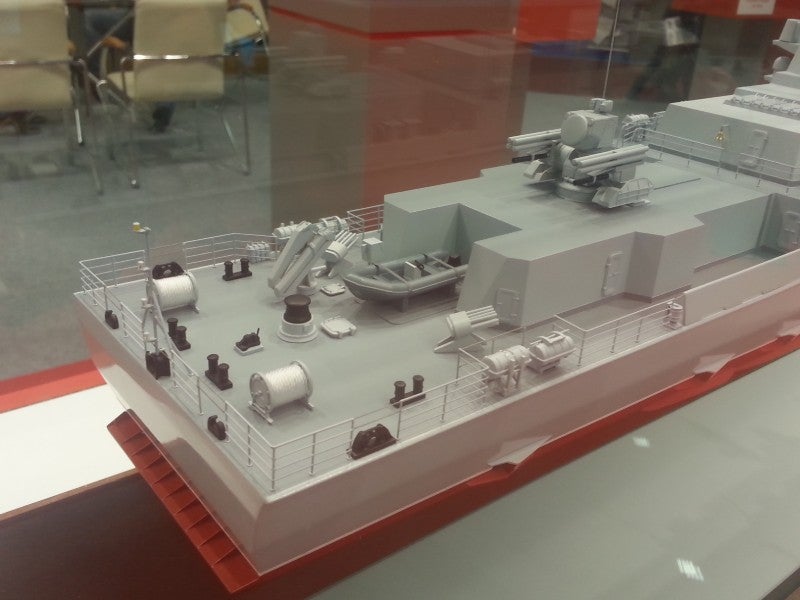
In the realm of modern naval warfare, warship innovations play a pivotal role in enhancing the capabilities of maritime forces around the globe. From advancements in aircraft technology to improvements in armament and defense systems, innovations have transformed naval strategies, enabling more effective combat operations on the high seas. Among these innovations, USN aircraft carriers stand as a testament to technological prowess and strategic military planning, shaping the future of naval engagements.
This article explores the historical and contemporary advancements in warship technologies, particularly focusing on aircraft carriers, their evolution, and the key innovations that have emerged over the decades. By delving into various aspects of carrier development, including the evolution of launch systems and the impact of modern jet aircraft, we aim to present a comprehensive overview of how aircraft carriers have influenced naval warfare and what the future holds for these vital assets in global naval power.
Index Content
- Historical Overview of Warship Innovations
- The Evolution of Aircraft Carriers
- Key Technological Advancements in Launch Systems
- Enhancements in Landing Safety and Efficiency
- The Shift to Nuclear-Powered Carriers
- The Impact of Modern Jet Aircraft on Carrier Design
- The Introduction of the USS Gerald R. Ford
- Economic Considerations in Carrier Development
- Global Competition in Aircraft Carrier Capabilities
- Future Trends in Warship Innovations
- Conclusion: The Future of Naval Warfare
Historical Overview of Warship Innovations
The history of warship innovations traces back to ancient times when vessels were equipped with rudimentary weapon systems. However, the 20th century marked a significant turning point, particularly during World War II, when technological advancements propelled the capabilities of naval vessels, notably aircraft carriers. Carriers became integral to naval strategy, allowing for the projection of air power over vast distances and playing a crucial role in numerous battles. The introduction of hydraulic catapults laid the groundwork for launching aircraft effectively, but as heavier jet aircraft emerged after the war, new challenges arose.
Britain's development of steam-driven catapults in the early 1950s was a groundbreaking advancement that addressed issues related to launching heavier engagements. Complemented by innovations like angled decks and mirror landing sights, these changes significantly improved landing safety and efficiency. The culmination of these developments led to the establishment of what we now recognize as the modern jet aircraft carrier, exemplified by the USS Forrestal, commissioned in 1955. This marked a new era in carrier capabilities, providing enhanced air support roles for the fleets.
The Evolution of Aircraft Carriers
The evolution of aircraft carriers is closely tied to advancements in military aviation. The transition from traditional naval aviation to the full integration of jets changed the dynamics of air operations at sea. The introduction of the USS Enterprise in 1961 was a watershed moment as it was the first nuclear-powered carrier. This not only revolutionized speed and endurance for extended missions but also signified the shift towards more complex and powerful carrier designs.
As aircraft carriers became pivotal elements of naval strategy, the design philosophy shifted towards incorporating advanced technologies that were previously unimagined. The subsequent development of the Nimitz-class carriers showcased considerable enhancements in operational capacity and versatility, facilitating a new standard for naval warfare. The Nimitz-class vessels thrived on the principles of modularity and sustainment, allowing them to adapt to rapidly changing technological landscapes.
Key Technological Advancements in Launch Systems
The technological innovations in launch systems have enriched carrier capabilities immensely. The introduction of steam catapults marked a significant leap from their hydraulic predecessors, allowing for the launch of heavier and faster aircraft. This method enabled shorter launch cycles and a broader range of aircraft that could be deployed in combat situations. However, as technology progressed further, the need for greater efficiency led to the exploration of electromagnetic systems.
The electromagnetic launch system (EMALS) introduced on the USS Gerald R. Ford represents the future of launch technology. Unlike traditional steam catapults, EMALS offers precise control over the launch process, reducing wear on aircraft and allowing for the deployment of a wider array of aircraft types. Moreover, EMALS enhances the overall efficiency of flight operations, which is crucial in modern warfare where speed and flexibility are paramount.
Enhancements in Landing Safety and Efficiency
Landing safety has historically been a significant concern aboard aircraft carriers, given the challenges posed by harsh maritime conditions and the complexities of carrier operations. Innovations such as angled decks have dramatically improved landing safety by allowing approaching aircraft to land at an angle, reducing the risk of collisions with departing aircraft. The introduction of advanced landing systems, including automated arrestor wires, has further enhanced operational readiness and minimized potential accidents.
Folded wings and streamlined aircraft designs have also played an essential role in maximizing space on the flight deck, allowing for efficient landings and takeoffs. The integration of modern landing aids, such as precision approach systems and advanced radar, contributes not only to the safety but also to the efficiency of flight operations. These advancements are vital as naval forces continue to operate in contested environments, where every second counts in maintaining operational tempo.
The Shift to Nuclear-Powered Carriers
The introduction of nuclear-powered carriers marks a significant milestone in naval engineering. With the commissioning of the USS Enterprise, the US Navy transitioned into a new era of naval operations defined by enhanced endurance and strategic flexibility. Nuclear propulsion allows aircraft carriers to operate for extended periods without the need for refueling, which is essential for maintaining a persistent presence in international waters.
The shift to nuclear-powered carriers has implications beyond just propulsion. Enhanced speed capabilities enable naval forces to respond quickly to emerging threats, while advanced technologies reduce the logistical burdens typically associated with conventional fuel carriers. The implications for USN aircraft carriers are profound, allowing them to act as core elements of power projection across the globe.
The Impact of Modern Jet Aircraft on Carrier Design
Modern jet aircraft have fundamentally influenced carrier design and operational capabilities. The evolution of fighter jets and specialized attack aircraft necessitated significant modifications to aircraft carriers, including increased flight deck space, advanced launch systems, and improved catapult designs. These changes ensure that aircraft carriers can support a diverse array of missions, from air superiority to anti-submarine warfare.
The integration of stealth capabilities into modern jets emphasizes the need for carriers to support advanced avionics and weapon systems. As threats evolve, the design of carriers must adapt to accommodate the emergent needs of organic air wings, enhancing their overall lethality and effectiveness in combat operations. This ongoing evolution highlights the resilience and adaptability of naval forces in the face of dynamic challenges.
The Introduction of the USS Gerald R. Ford
The USS Gerald R. Ford's introduction in 2017 marked a new benchmark in carrier capabilities. This cutting-edge vessel features a multitude of advanced systems, including the electromagnetic launch system, advanced radar technologies, and improved design efficiency. With enhanced automation and improved systems, the USS Gerald R. Ford reduces crew requirements while increasing operational capacity.
The incorporation of energy-efficient technologies aligns with modern naval strategies focused on sustainability while extending operational readiness. As the US Navy seeks to maintain dominance on the high seas, the USS Gerald R. Ford represents a significant leap forward in warship innovations and establishes a new standard for future aircraft carriers.
Economic Considerations in Carrier Development
The development of modern aircraft carriers involves substantial financial investment, which raises questions about the economic feasibility of their operation. As one of the costliest assets in military inventories, factors such as construction costs, maintenance, and operational expenses must be accounted for in defense budgeting. The high cost of building USN aircraft carriers often limits their availability to nations with robust military budgets.
Given the financial implications, nations must strategically assess how aircraft carriers contribute to their overall military objectives. As emerging powers look to challenge established naval dominance, the economic considerations surrounding carrier development will play a central role in shaping future capabilities and competition on the global stage.
Global Competition in Aircraft Carrier Capabilities
The competition for advanced naval capabilities, particularly in aircraft carriers, has intensified since the Cold War. While the United States maintains the largest fleet of nuclear-powered carriers, other nations, including China and Russia, have been investing heavily in their own carrier fleets. This has led to a new arms race where maritime power projection and naval warfare capabilities are crucial for regional influence.
China's advancements in aircraft carrier technology, including the development of the Type 003 carrier, showcase its strategic intentions to enhance power projection capabilities in the Indo-Pacific region. The emergence of these new carriers has significant implications, altering the balance of naval power and prompting increased global focus on maritime security. Ongoing developments in carrier capabilities will continue to shape future naval warfare.
Future Trends in Warship Innovations
As we look toward the future, several trends are shaping the landscape of warship innovations. Autonomous vessels and unmanned aircraft systems are gaining traction, providing enhanced operational flexibility and reducing risks to personnel. The integration of artificial intelligence and machine learning technologies can further advance decision-making processes aboard carriers, streamlining operations.
Sustainability will also become a defining feature of future aircraft carriers as nations look to mitigate their environmental impact. Hybrid propulsion systems and energy-efficient technologies will likely be central in new designs, reflecting a broader commitment to responsible military modernization. The next generation of aircraft carriers will be characterized not only by their combat capabilities but also by their adaptability to the changing geopolitical landscape.
warship innovations have fundamentally transformed military operations, with USN aircraft carriers at the forefront of this evolution. From historical advancements in carrier design to the incorporation of cutting-edge technologies, the ongoing development of carriers remains central to the US Navy's strategic objectives. As nations seek to assert their maritime power, the necessity for advanced aircraft carriers will only grow, with future trends pointing toward enhanced capabilities that include unmanned systems, automation, and sustainability.
The dynamics of naval warfare are continually evolving, and the enduring importance of aircraft carriers in projecting power and establishing control over maritime regions cannot be overstated. As we move forward, understanding the innovations and trends surrounding warships will be essential for maintaining global maritime security and shaping future operational strategies.
Did you find this article helpful? Warship Innovations: Aircraft, Armament, and Defense Systems See more here General.

Is the Defense Intelligence Agency vital for national intelligence

Understanding Parallel Lines Cut by a Transversal: Types of Angles Explained

Rosenberg's Double Life: Engineer Turned American Spy

What is gossip and its role in social conversations

John Cole: Biography & Facts About His Life and Career

How to Find the Standard Deviation of a Random Variable: A Step-by-Step Guide
Leave a Reply
Related posts