

**What Are Pneumatic Wheels and What Do They Mean**
The evolution of transportation from horse-drawn carriages to vehicles powered by various mechanisms has been significantly influenced by innovations in technology. One pivotal advancement in this journey is the introduction of pneumatic wheels, which enhance the functionality and comfort of various modes of transport. Understanding what pneumatic wheels are and their implications in modern mobility is crucial for anyone engaged in transportation, manufacturing, or engineering.
As we delve into the concept of these remarkable wheels, we will define key terms and explore the pneumatic wheels meaning and their significance across different industries. This article aims to provide an in-depth analysis of what is a pneumatic wheel, its history, functionality, advantages, applications, and maintenance, making it a comprehensive guide for enthusiasts and professionals alike.
Index Content
History of Pneumatic Wheels
The story of pneumatic wheels dates back to the late 19th century when the first pneumatic tire was developed by John Boyd Dunlop in 1887. Originally designed for bicycles, Dunlop's invention aimed to offer a smoother ride compared to the solid rubber tires of the time. This innovation marked a turning point in vehicular design, making cycles faster and more comfortable, and quickly gained popularity among cyclists.
By the 1890s, pneumatic tires spread from bicycles to automobiles, as manufacturers recognized their potential to enhance performance. The adoption of pneumatic wheels in cars enabled better shock absorption, improved handling, and increased speed. The advancements continued through the decades, with technological improvements leading to the radial tire's introduction in the 1940s, further enhancing tire design and performance.
Definition of Pneumatic Wheels
So, what is a pneumatic wheel? A pneumatic wheel refers to a type of tire that is inflated with air, forming a cushioning layer between the wheel and the ground. This composition allows for flexibility and the ability to absorb shocks, providing a smoother riding experience on different terrains. The pneumatic wheels definition emphasizes the presence of air within the tire, which differentiates them from solid or hard tires.
How Pneumatic Wheels Work
Pneumatic wheels operate based on the principle of air pressure. The air contained within these tires allows them to flex and compress when pressure is applied, such as when the wheel rolls over uneven surfaces. This flexibility is crucial for providing traction, stability, and comfort. The design typically involves a robust outer layer made from rubber or synthetic materials, which encases the air-filled chamber.
When a vehicle is in motion, the pneumatic wheels absorb bumps and obstructions in the terrain, which reduces the force transmitted to the vehicle's frame and the passengers. The ability to compress and expand also enables pneumatic wheels to maintain optimal contact with the ground, enhancing grip and steering accuracy.
Advantages of Pneumatic Wheels
- Comfort: The cushioning effect of pneumatic wheels allows for a smoother ride, reducing vibrations felt by passengers.
- Traction: Their flexible nature aids in maintaining better grip on various surfaces, improving safety and driving performance.
- Shock Absorption: Pneumatic wheels effectively absorb shocks from uneven terrain, protecting the vehicle's structure and reducing wear.
- Versatility: They are suitable for a wide range of vehicles, including bicycles, automobiles, and heavy machinery.
- Customizability: Pneumatic wheels can be designed to meet specific needs in terms of size, tread pattern, and material.
Applications of Pneumatic Wheels
Pneumatic wheels are utilized across various applications due to their advantageous features. Key areas include:
- Bicycles: As originally designed by Dunlop, pneumatic wheels enhance the comfort and performance of bicycles.
- Automobiles: Cars depend on pneumatic tires for stability, safety, and optimal driving experiences.
- Trucks and Heavy Machinery: These vehicles use large pneumatic wheels to support heavy loads while ensuring ride comfort.
- Aerospace: Some aircraft utilize pneumatic tires for landing gear to provide shock absorption upon landing.
- Agricultural Equipment: Pneumatic wheels reduce soil compaction and are essential for machinery operating in diverse conditions.
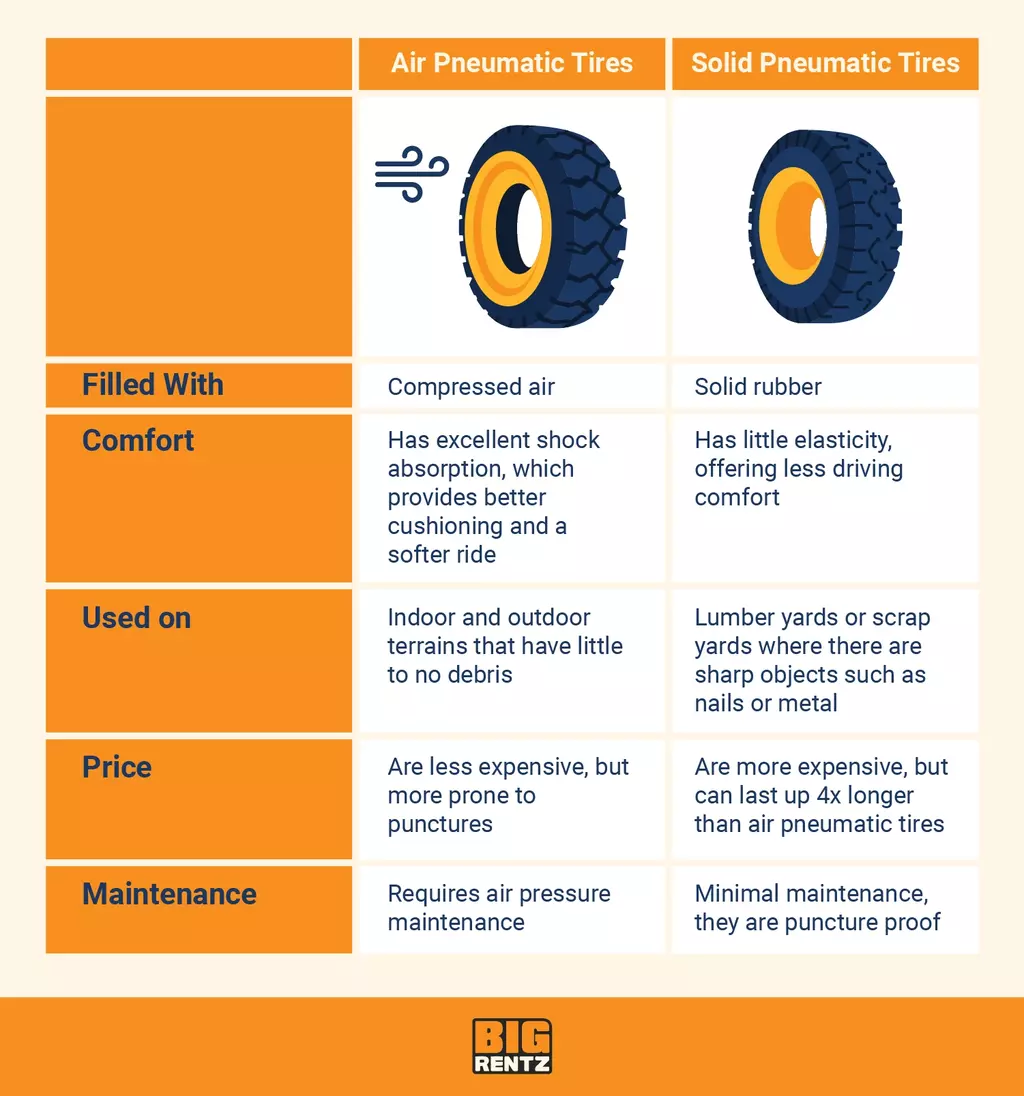
Comparison with Solid Wheels
When comparing pneumatic wheels to solid wheels, several factors come into play:
Shock Absorption
Unlike pneumatic wheels, solid wheels do not have air-filled chambers, resulting in limited shock absorption capabilities. This can lead to harsher rides on uneven terrain.
Weight
Solid wheels tend to be heavier than pneumatic ones. The lightweight design of pneumatic wheels allows for increased maneuverability and efficiency.
Durability
Solid wheels may have enhanced durability on rough surfaces, while pneumatic wheels can be susceptible to punctures. However, advancements in tire technology have led to more resilient pneumatic designs.
Cost
Generally, pneumatic wheels require additional maintenance and replacement, which can be a factor when considering overall costs compared to the generally longer-lasting solid wheels.
Maintenance of Pneumatic Wheels
Proper maintenance of pneumatic wheels ensures their longevity and optimal performance. Here are some essential maintenance tips:
- Regular Inflation Checks: Maintaining the correct air pressure is vital for optimal performance and safety.
- Tread Inspection: Check for uneven wear and damaged treads. Replace tires if necessary.
- Alignment and Balancing: Regularly check wheel alignment to prevent uneven wear and enhance performance.
- Cleaning: Keep the wheels clean to ensure longevity; dirt and debris can compromise performance.
- Replacement: Know when to replace your tires based on wear indicators and manufacturer recommendations.
Conclusion
pneumatic wheels have transformed the way we approach transportation by combining comfort, safety, and performance. Recognizing what are pneumatic wheels helps both consumers and manufacturers appreciate the technological advancements that enhance mobility across various sectors. Understanding the pneumatic wheels definition and how they function becomes essential for those engaged in the industry or seeking to optimize their own vehicles.
Moving forward, as technology continues to innovate and evolve, the design and application of pneumatic wheels will likely advance, leading to improved features and benefits. Hence, it's crucial to stay informed about such developments to harness the best capabilities from pneumatic designs.
FAQs about Pneumatic Wheels
- What are pneumatic wheels? Pneumatic wheels are inflatable tires filled with air that provide cushioning and support for vehicles, offering enhanced comfort and performance.
- What is a pneumatic wheel? A pneumatic wheel is a type of tire designed with an air chamber that absorbs shocks and provides better traction.
- What is the meaning of pneumatic wheels? The pneumatic wheels meaning refers to the inflatable nature of these tires, offering advantages like comfort, flexibility, and versatility across various applications.
- What is the definition of pneumatic wheels? Pneumatic wheels definition emphasizes tires filled with air, enabling them to flex and absorb impacts, differentiating them from solid tires.
Did you find this article helpful? **What Are Pneumatic Wheels and What Do They Mean** See more here Education.

What are Cartier's key routes, voyages, and accomplishments

Painting the Legacy of Vincent van Gogh: An Artistic Journey

Rally Legal: Understanding Its Definition and Meaning

Foldings: Understanding the Definition and Meaning of Folded

What was trench warfare like on the Western Front in 1914

Blue Light Energy: Definition, Optics, and Intriguing Facts
Leave a Reply
Related posts